Alaz Okudan

About Me

I am a researcher and an artist interested in hidden, neglected, and marginal stories from the history of visual technologies. Currently, my research interests revolve around the concepts of primitive media and poor images, focusing on alternative forms of creative expression. I enjoy looking at infra-ordinary aspects of life that lie beneath the threshold of everyday attention through the lens of visual media. My ongoing PhD investigation at the University of Galway’s Centre for Creative Technologies focuses on the cultural and artistic implications of accidents and failures in AI practice. I experiment both in analogue and digital forms of image-making, seeking ways for hybrid modes of expression. I live in Galway, Ireland and roam the streets of the city.

Publications

Publication title

Climbing Out of the Abyss: On Tearing Objects, Injecting Values, and Automating Work

Authors:Alaz Okudan

Published in:Flusser Studies 41: Special Issue on Vilém Flusser and Artificial Intelligence

This essay is an expanded discussion following Vilém Flusser’s unpublished essay On Being Subject to Objects in which he argued that the human is split between what is and what should be, living in the abyss between phenomena and values. By turning branches into sticks and rare minerals into data centers, the human makes a vain attempt to produce things to climb out of its abyss while increasingly becoming subject to its own cultural objects. Following a media materialist approach, the essay highlights the material dependencies of seemingly immaterial systems like artificial intelligence. The more elaborate our cultural objects become, the harder it is to trace them back to the geological conditions that made them possible, while their reliance on what the Earth can provide only deepens. Flusser identified two phases of cultural production: the first, choosing values and imagining what phenomena should become, and the second, the physical work of forcing phenomena into those values, turning them into cultural objects. His optimistic approach to automation suggested that if machines could take over the second phase, humans might finally attend to the first. Today, automation is far from what Flusser believed it would be. Rather than separating value-oriented thinking from mechanical execution, automation has made the second phase less visible but more pervasive, distributed across underpaid labor, energy grids, and extraction sites, deepening our entanglement with natural resources and pushing us further into the abyss we desperately try to climb out of.
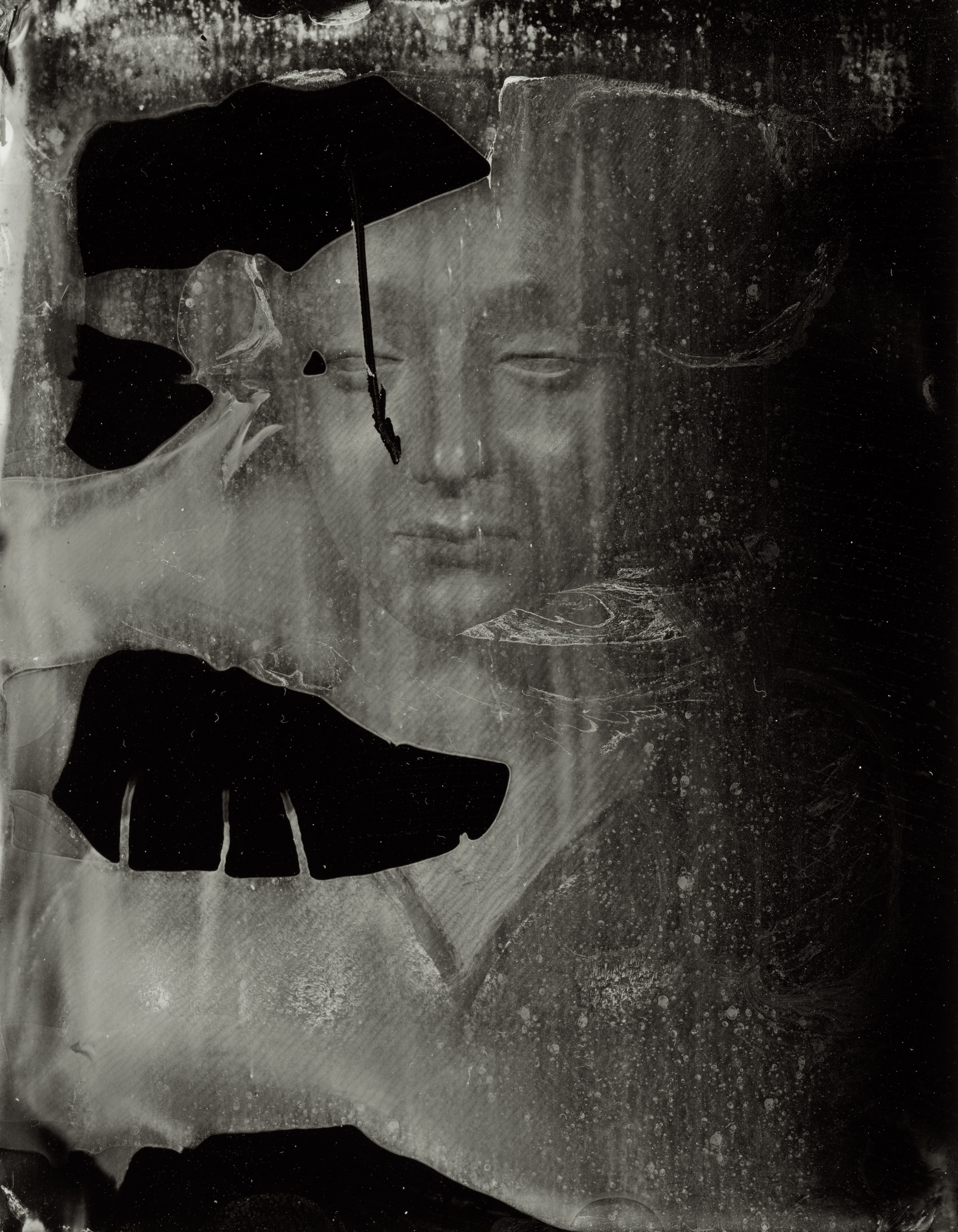
Publication title

Camera Archaeologia: A Media Archaeological Investigation into the Contemporary Use of Nineteenth-Century Photographic Processes

Authors:Alaz Okudan

Published in:19 / Interdisciplinary Studies in the Long Nineteenth Century, 2025

As digital technologies determine the practice and experience of everyday life today, the earliest photochemical processes resurface to provide stimulating and provocative modes for visual production. Around the world, a small but attention-worthy number of photographers attempt to rediscover what nineteenth-century photographic processes can offer without turning their backs on digital. From a media archaeological perspective, this article investigates how such a phenomenon challenges linear technological progress narratives by disrupting binary divides between old/new, outdated/contemporary, and analogue/digital. Through interviews with seven photographers based in Turkey who use nineteenth-century photochemical processes, I argue that the contemporary use of the earliest photographic techniques functions as compensation methods for limitations imposed by dominant photographic technologies and culture. By combining alternative forms of photographic expression from the past that are often considered obsolete with digital methods, this article explores ‘chemical bending’ tactics — technical and temporal hybrids formed to enhance creative freedom and expand the contemporary roles attributed to photography. Contemporary photographers, deeply embedded in digital culture yet drawn to the earliest photochemical techniques, create novel meanings and roles for photographic processes. Ephemeral images become metaphors for life’s impermanence; unexpected outcomes express the collaborative creation process with the medium itself; while the material qualities of these practices help restore diminished human sensory experiences in the digital age.

Publication title

Our Collective Noise (OCN): A Tactical Response to Computer Vision, Surveillance, and Noise

Authors:Alaz Okudan

Published as part of:xCoAx 2025, 13th Conference on Computation, Communication, Aesthetics & X. Dundee, Scotland, 9-11 July

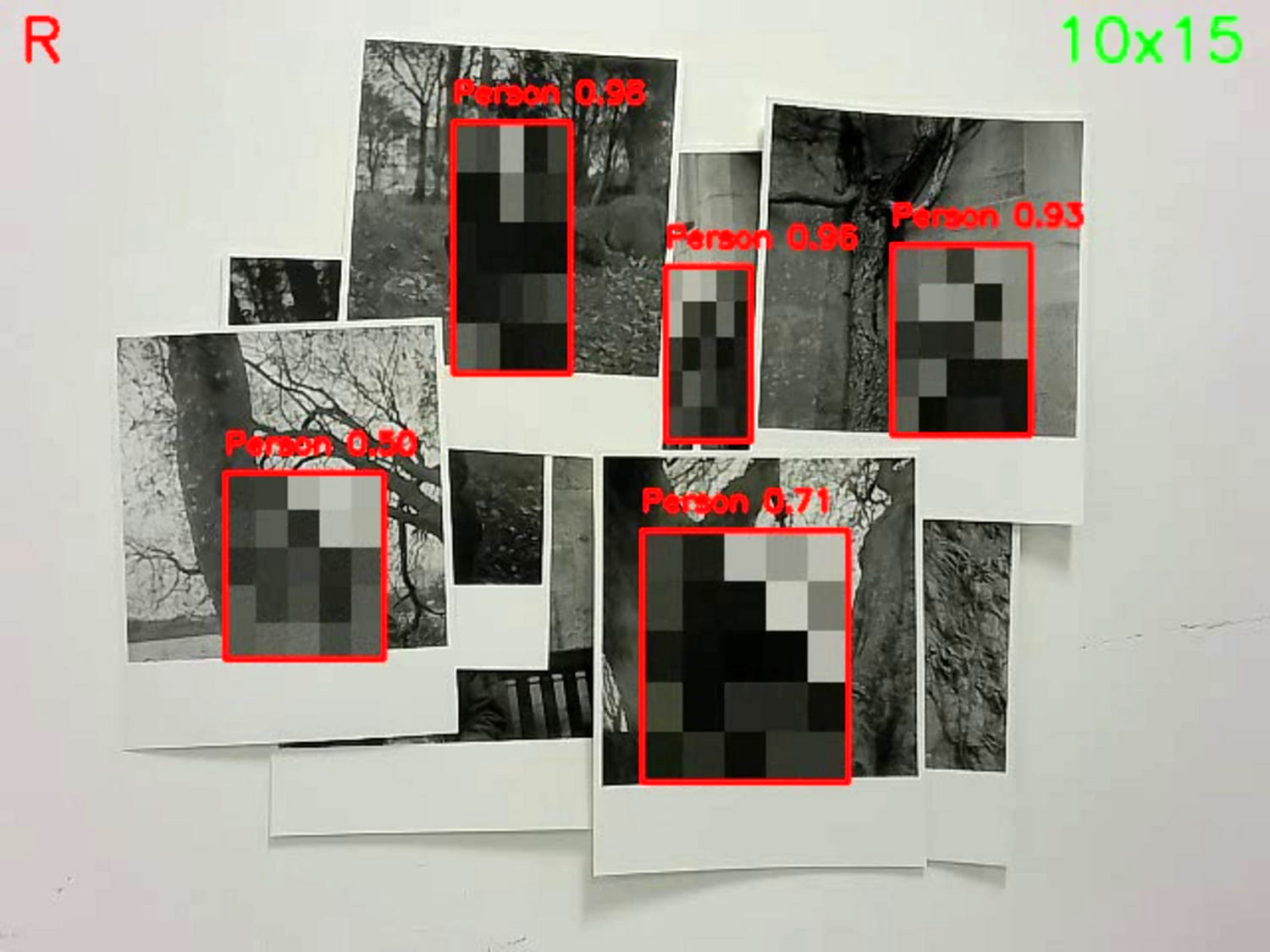
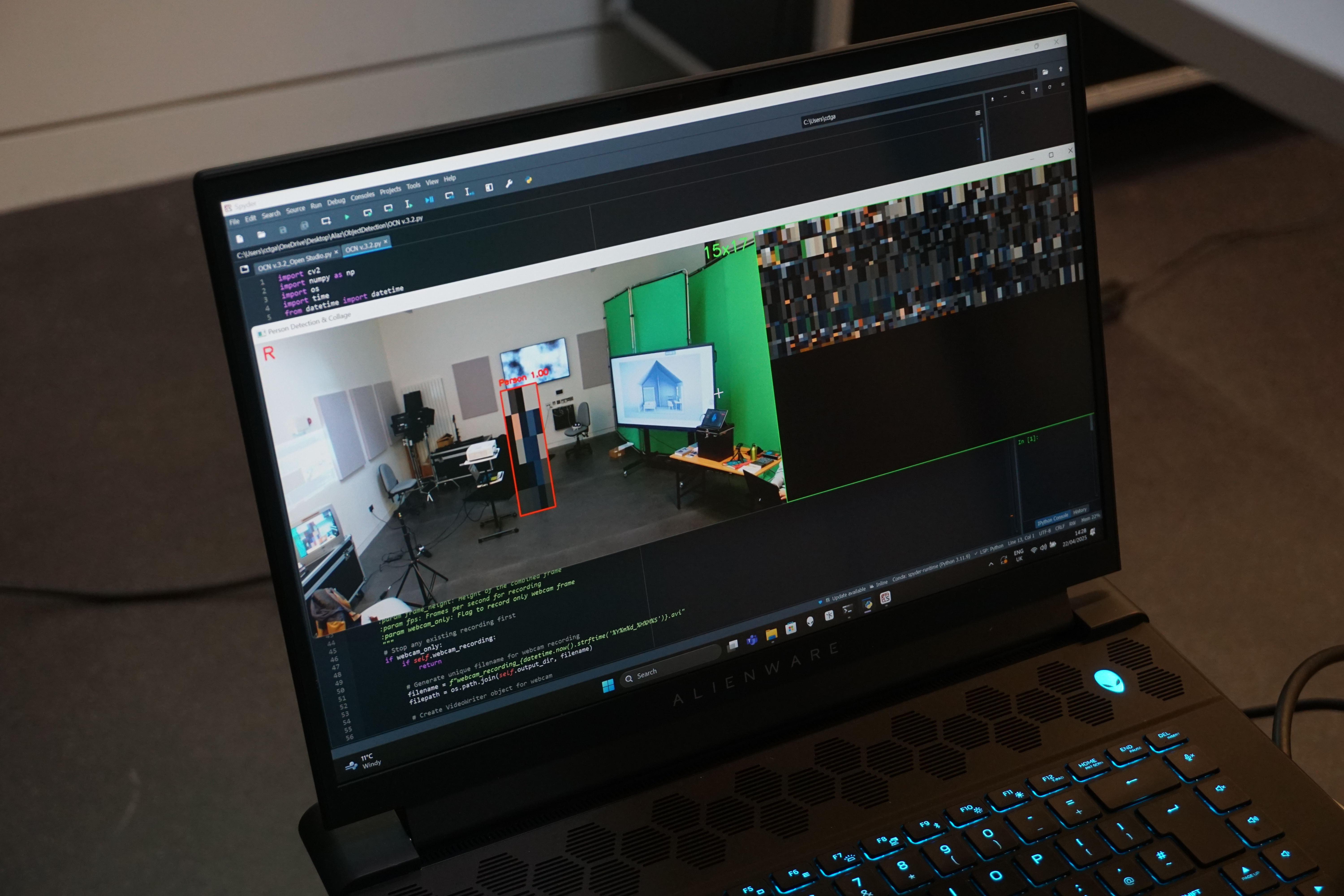
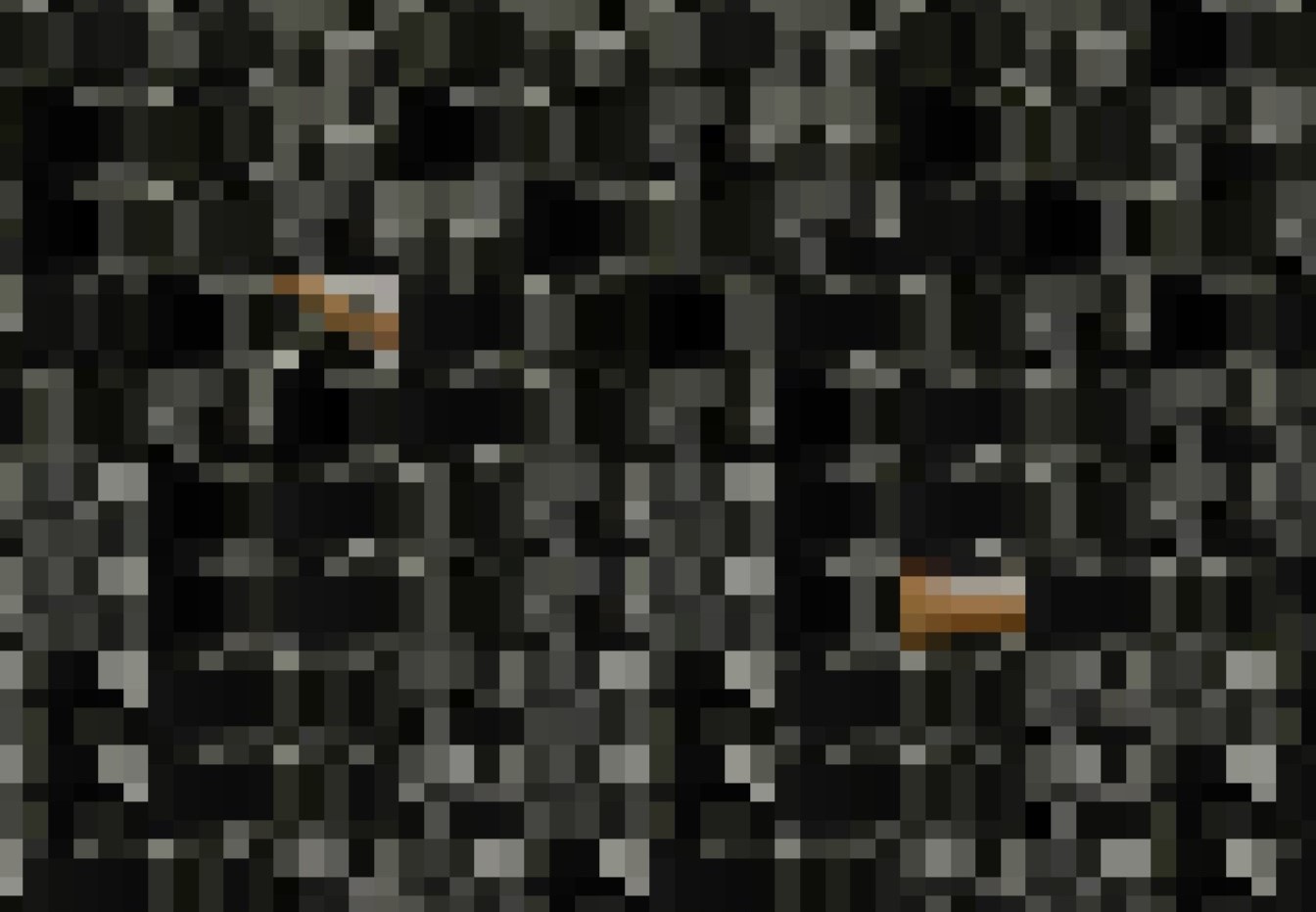
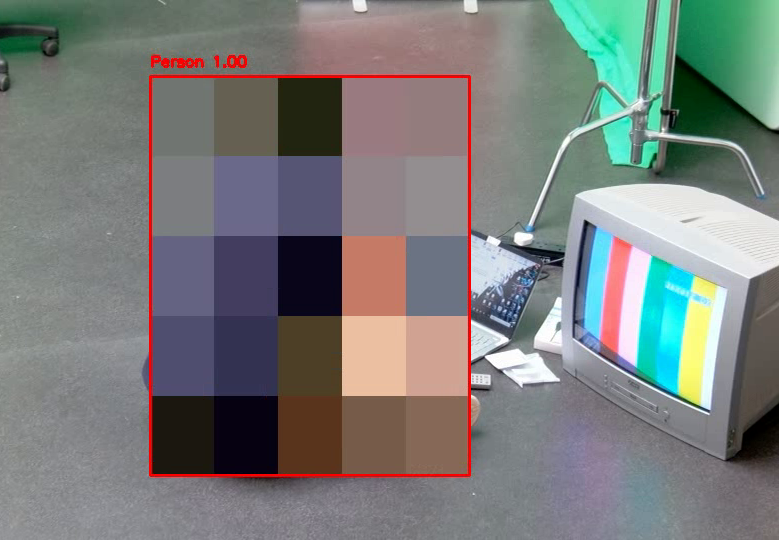
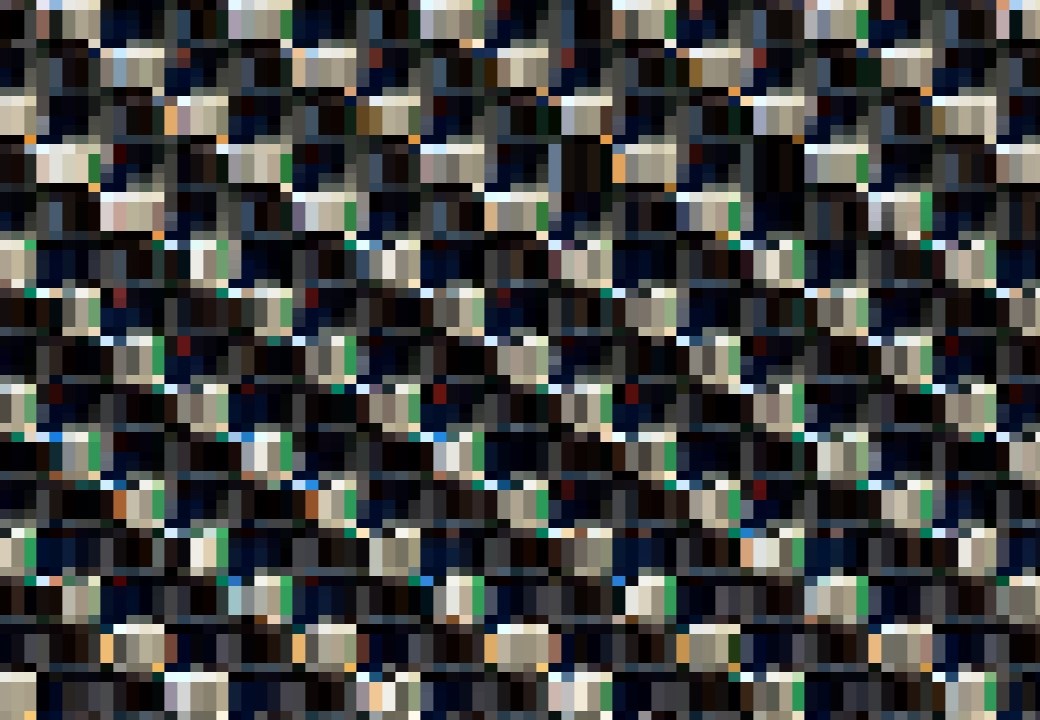
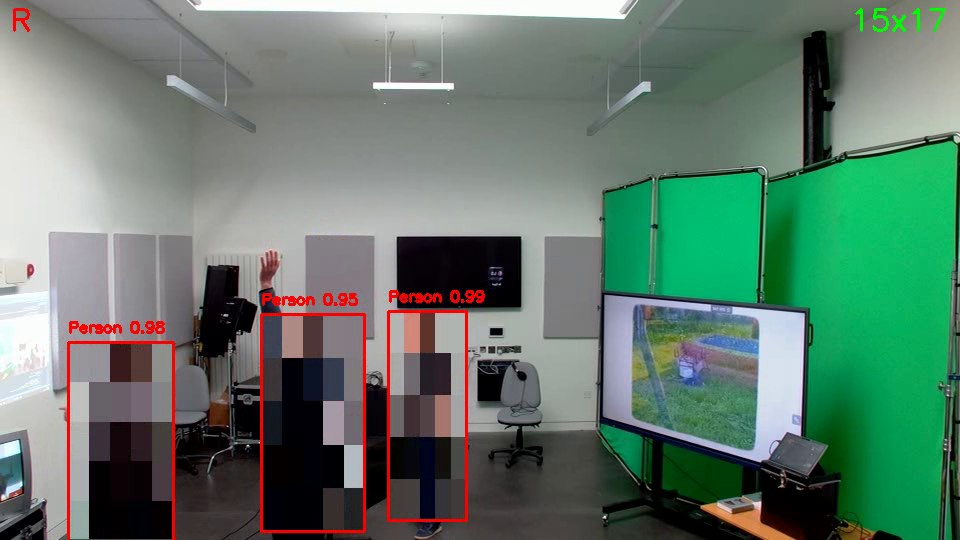
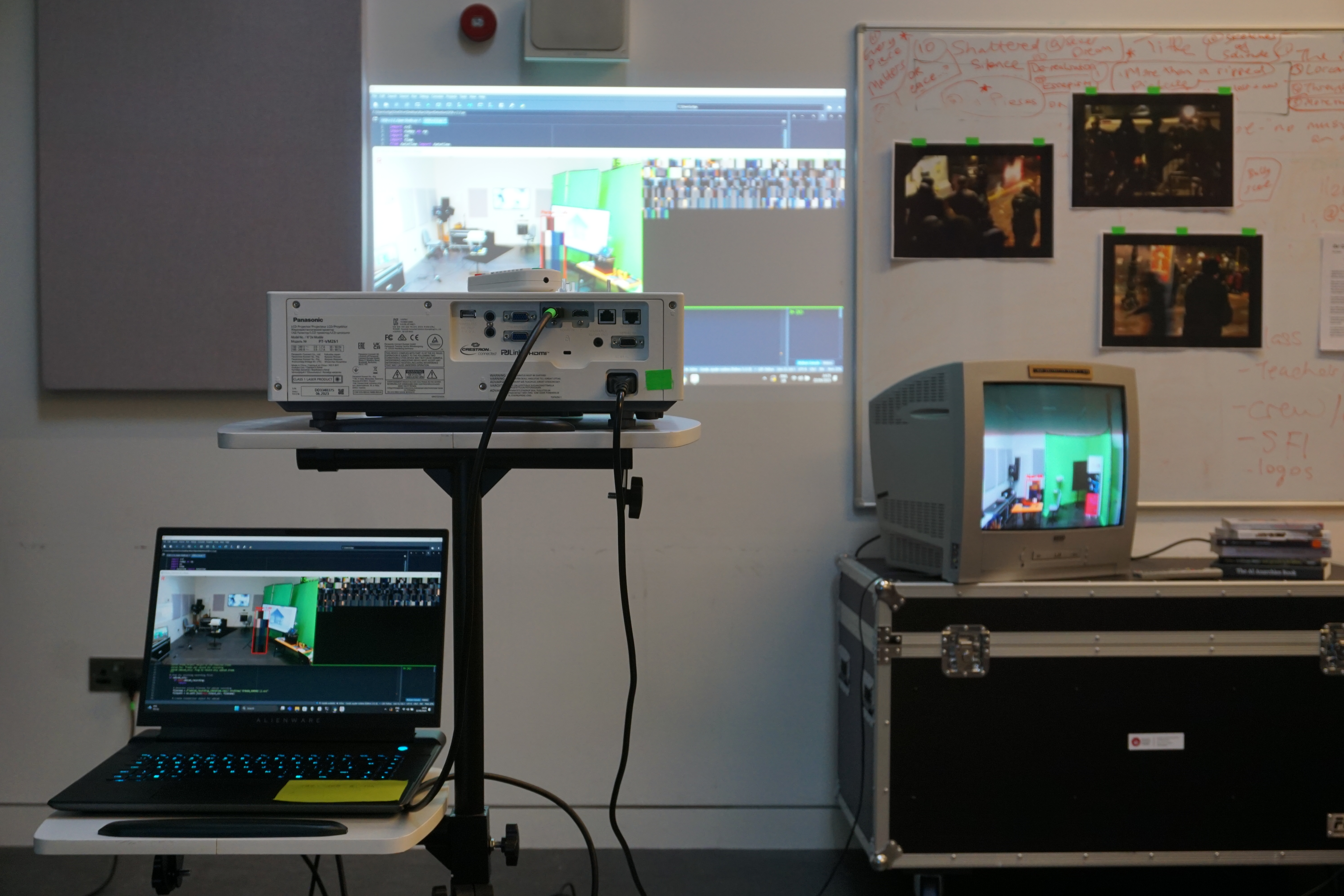
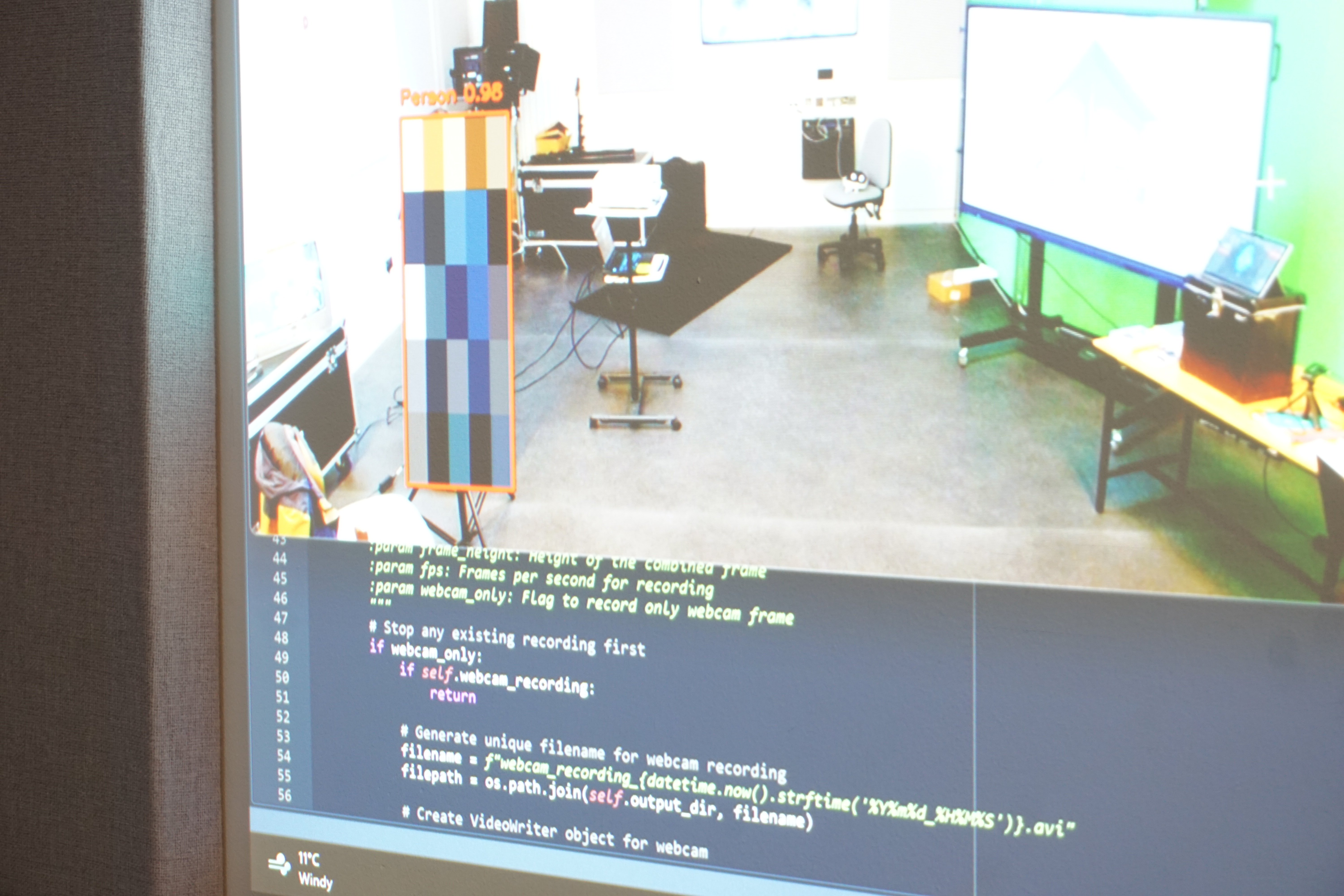
Our Collective Noise (OCN) is a research-based tactical media project. As an attempt to transform the top-down pervasive qualities of machine learning (ML), computer vision (CV), and surveillance technologies into a bottom-up tactical tool, it plays around the concepts of noise, de-identification, accidental aesthetics, and human-machine collaboration. OCN, as an offline system, uses live webcam feed, ML, and CV to detect people and simultaneously turn them into coarse pixels to replace the common aim of precise identification in surveillance technologies with anonymity. Coarse pixels are constantly stitched together to create collective abstract human-machine interaction patterns that people are collectively and unidentifiably part of. In a world where thriving ML, CV, and AI (artificial intelligence) technologies increasingly rely on cleaner datasets, higher processing capacities, precise labels and categories, OCN turns the technology against itself, in pursuit of revealing the latent potential in noise, anonymity, and collective action.

Publication title

Infra-ordinary Images: Machine Vision's Ways of Permeating Everyday Life

Authors:Alaz Okudan

Published as part of:Politics of the Machines 2024: Lifelikeness & Beyond. Aachen, Germany, 22-27 April

French cultural critic Georges Perec suggests that people should shift their attention away from the spectacular and extraordinary to the everyday, habitual aspects of life, as these hold the true essence of our experiences. Perec uses the term 'infra-ordinary' to describe these unnoticed, routine elements of life that, despite being constructed, feel second nature to us. Over time, what was once new and exciting tends to become part of the background of daily life, taking on an infra-ordinary role. For instance, photography, which was an unprecedented visual medium in the 19th century, grew so common that its mediated nature became less noticeable, leading to the replacement of reality with images, even to the point of total simulation. Similar in certain aspects, today, machine vision through commercial text-to-image generative artificial intelligence (AI) platforms is becoming a regular part of our visual culture. These platforms, primarily designed for mass consumer use, often create a misleading perception of a direct relationship between user intentions and AI-generated outputs, decreasing the visibility of algorithmic mediation. This paper explores how machine vision, through visual generative AI, takes on an infra-ordinary role and what we can do to remain attentive to its transformative impact over our experiences.

Publication title

Eye-pparatus: Re-imagining the Human Eye in the Nineteenth Century

Authors:Alaz Okudan

Published in:Flussera Robionica, 2022

"In a Foucauldian sense, like any other institution, with the presupposition of the human eye as a recording apparatus lying in wait, the medium of human vision became a site for imagining regulatory and disciplinary institutions. The emergence of automated cameras and video devices has been foreshadowed by imaginary practical properties of the eye-pparatus. The functional embodiment of the previously imagined aspects resulted in a more precise and comprehensive form of visual surveillance in the century to come. Yet, this is not to say that optography's ultimate aim was to arrive at contemporary surveillance technologies. An intricate network of technologies and discourses lies beneath the idea of surveillance, of which the optographic desire could only be read and interpreted as a contributing part."

Projects

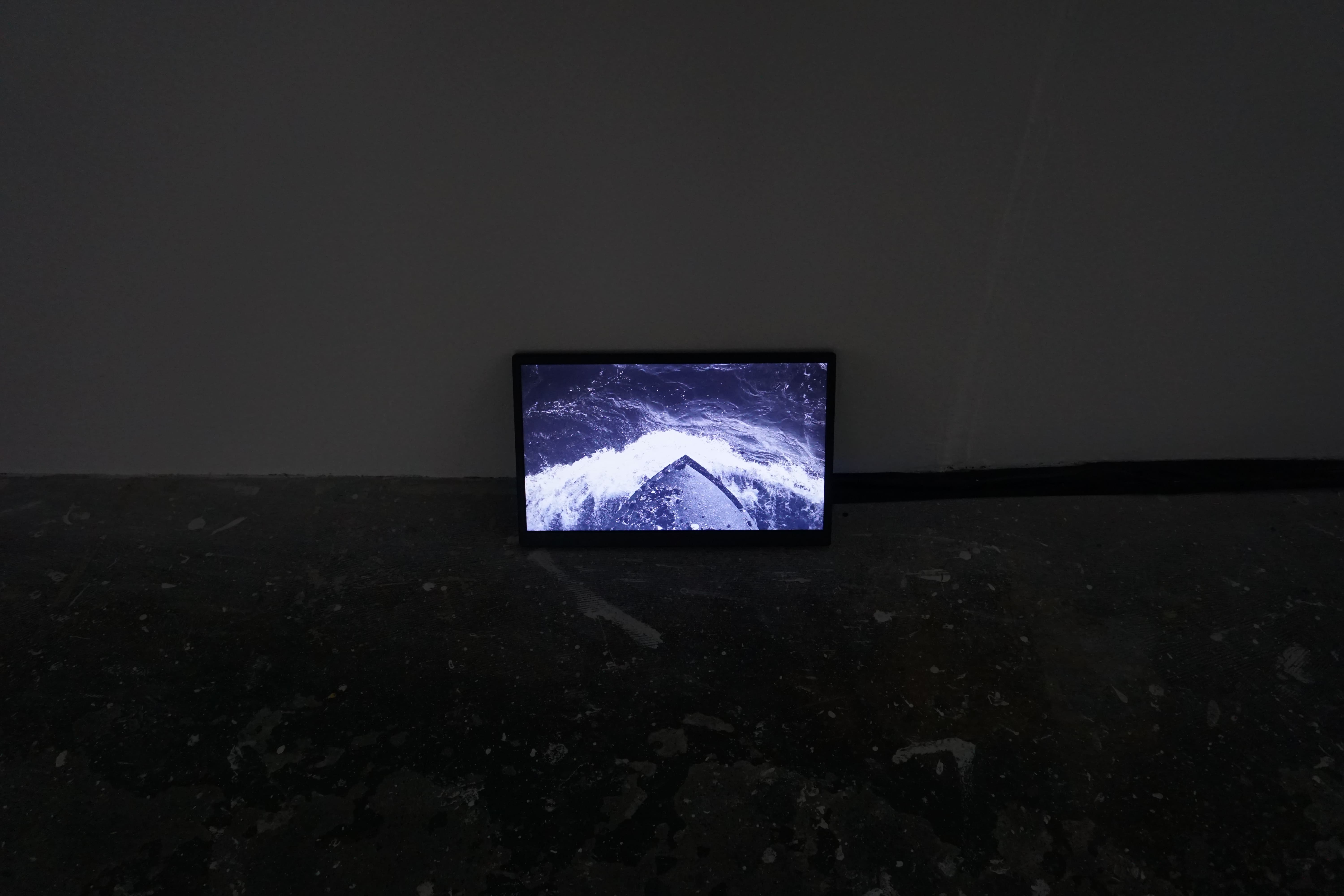
Artwork Title 1

Our Collective Noise (OCN)

Computer Vision, Counter-Surveillance / 2025
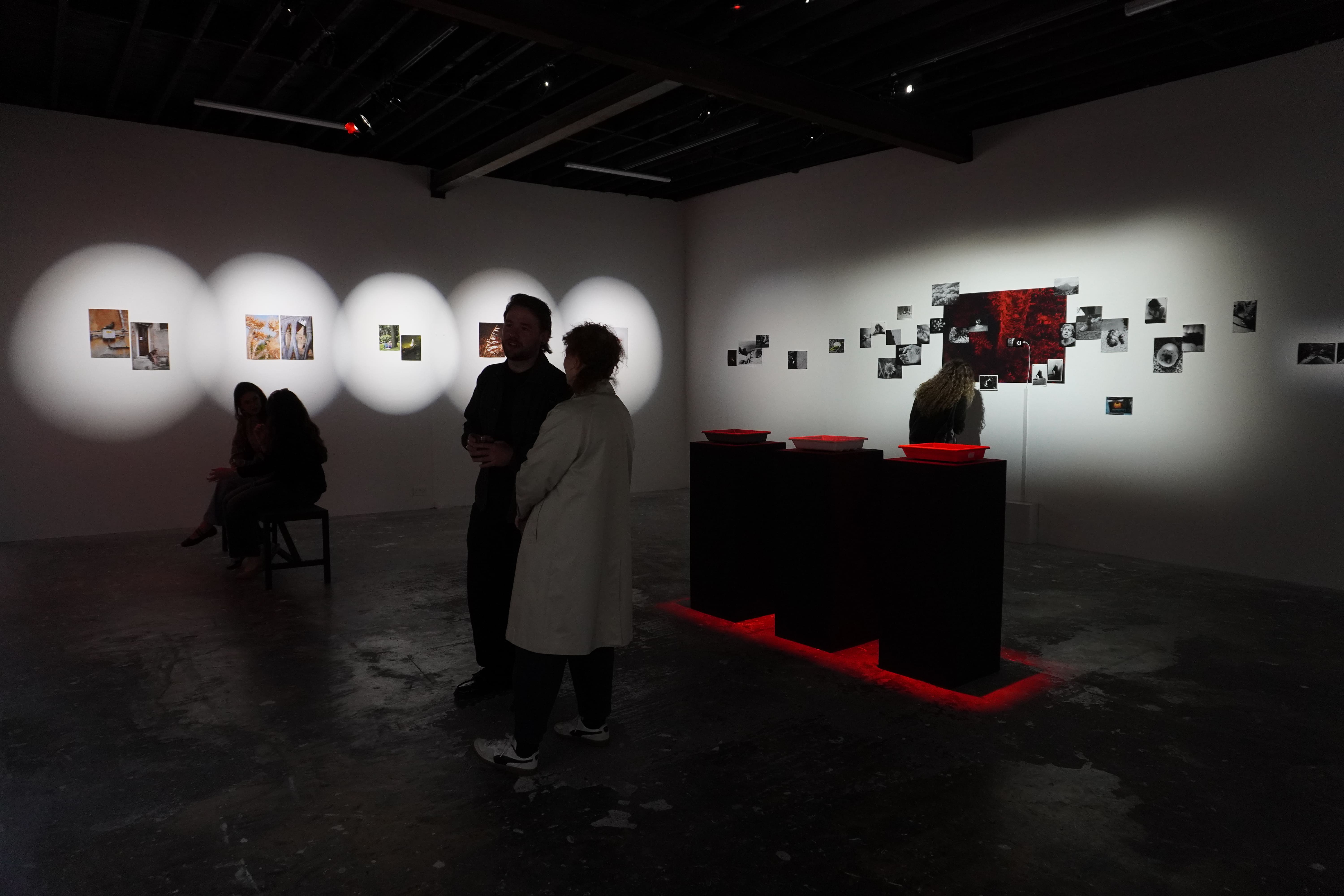
Artwork Title 1

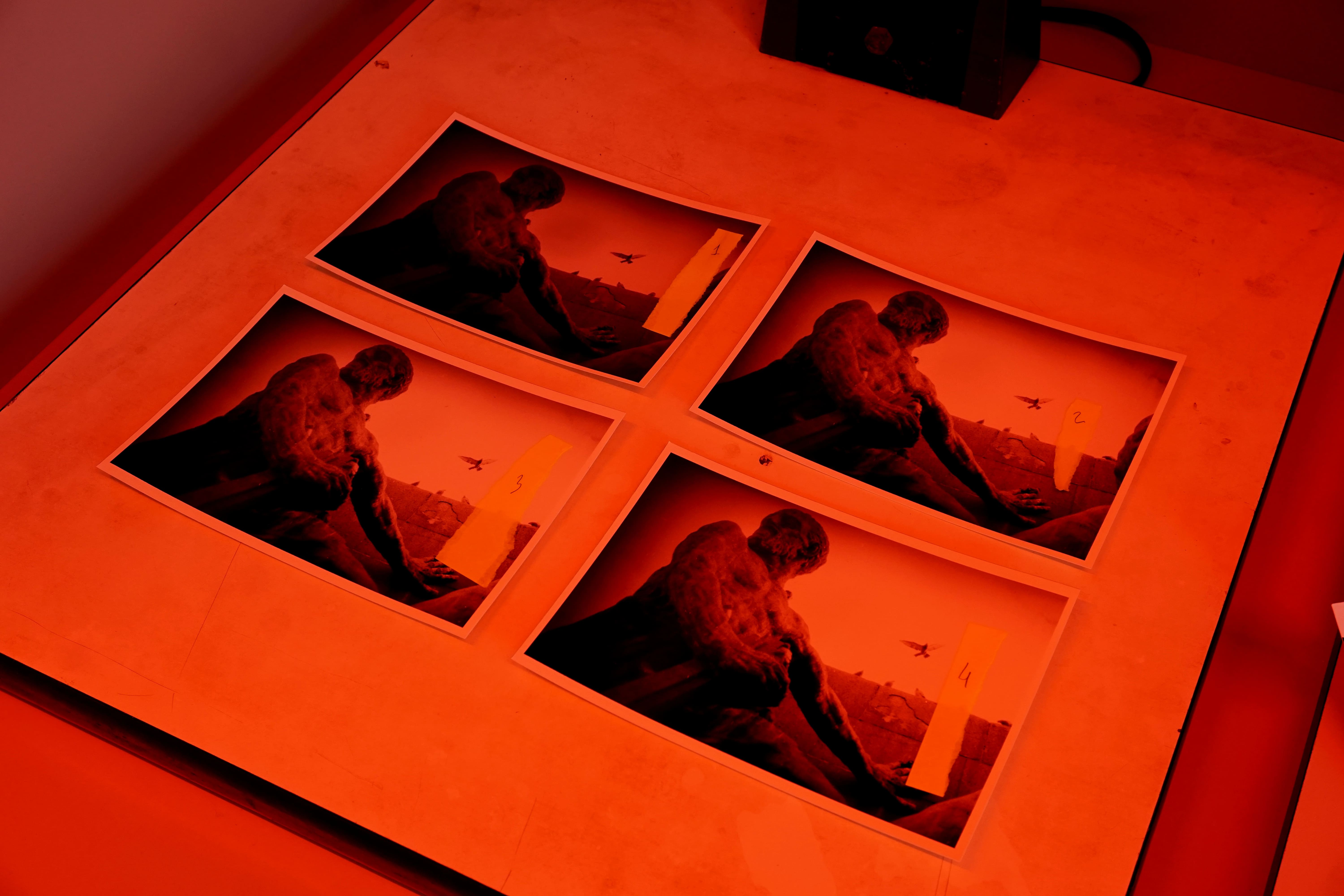
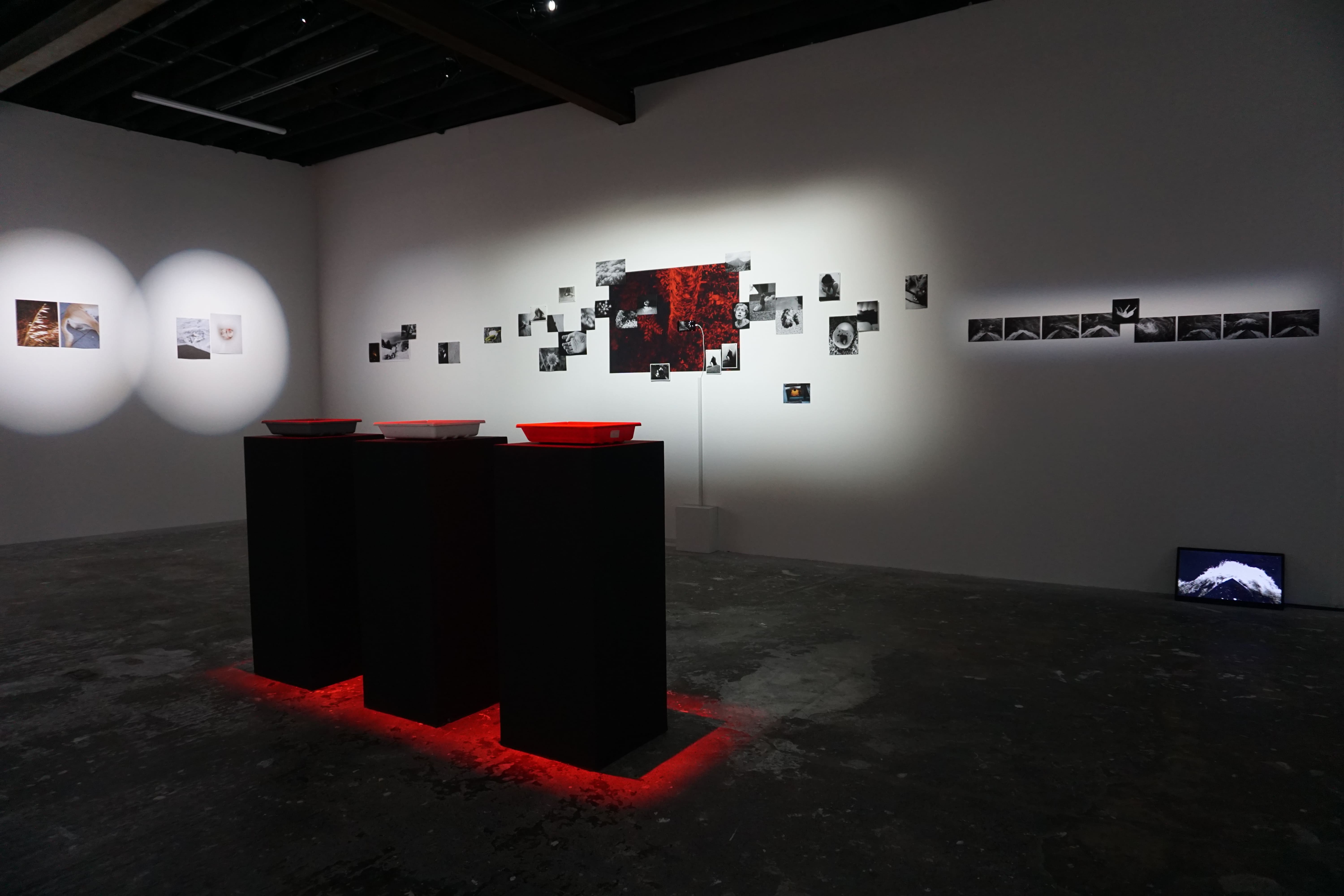
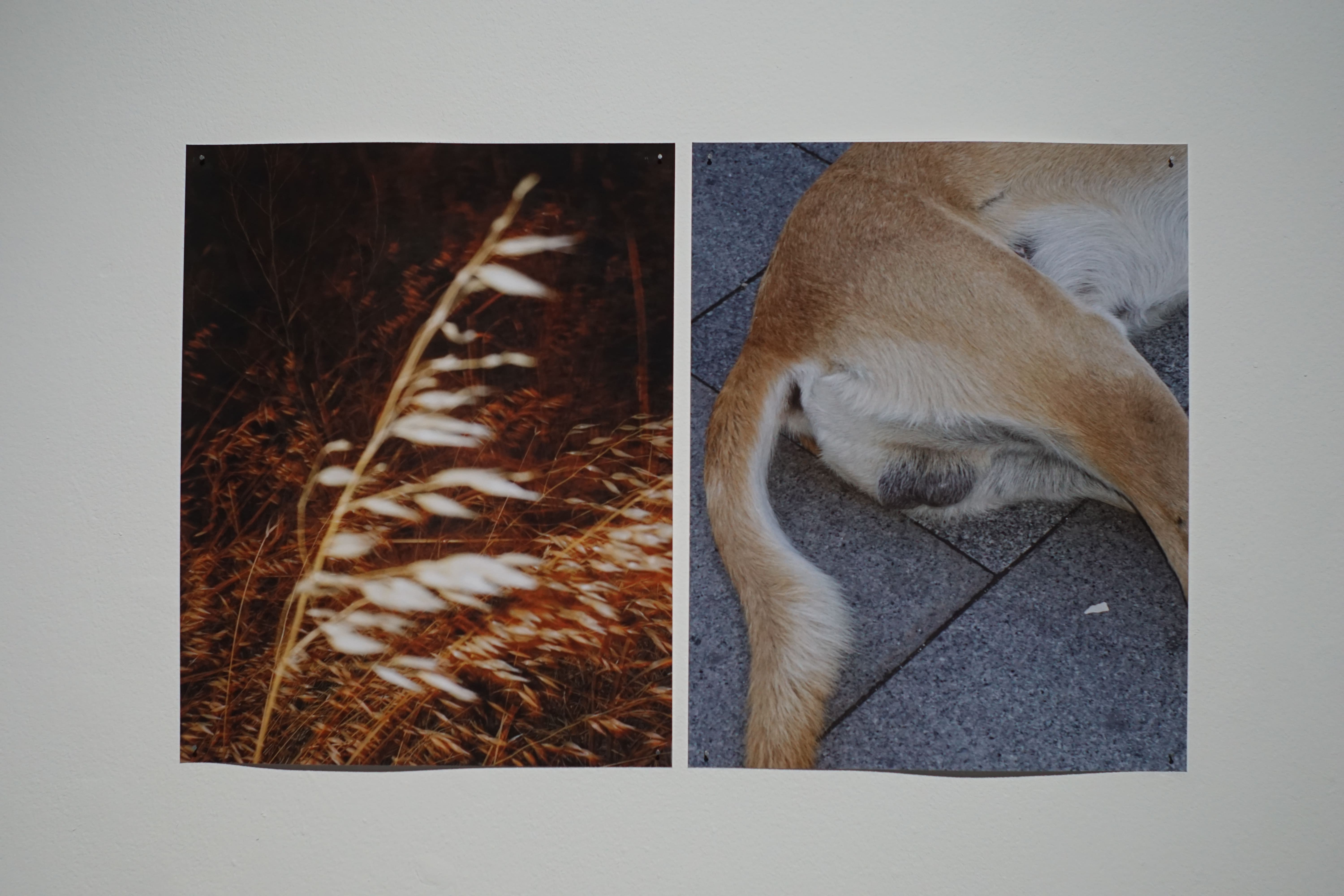
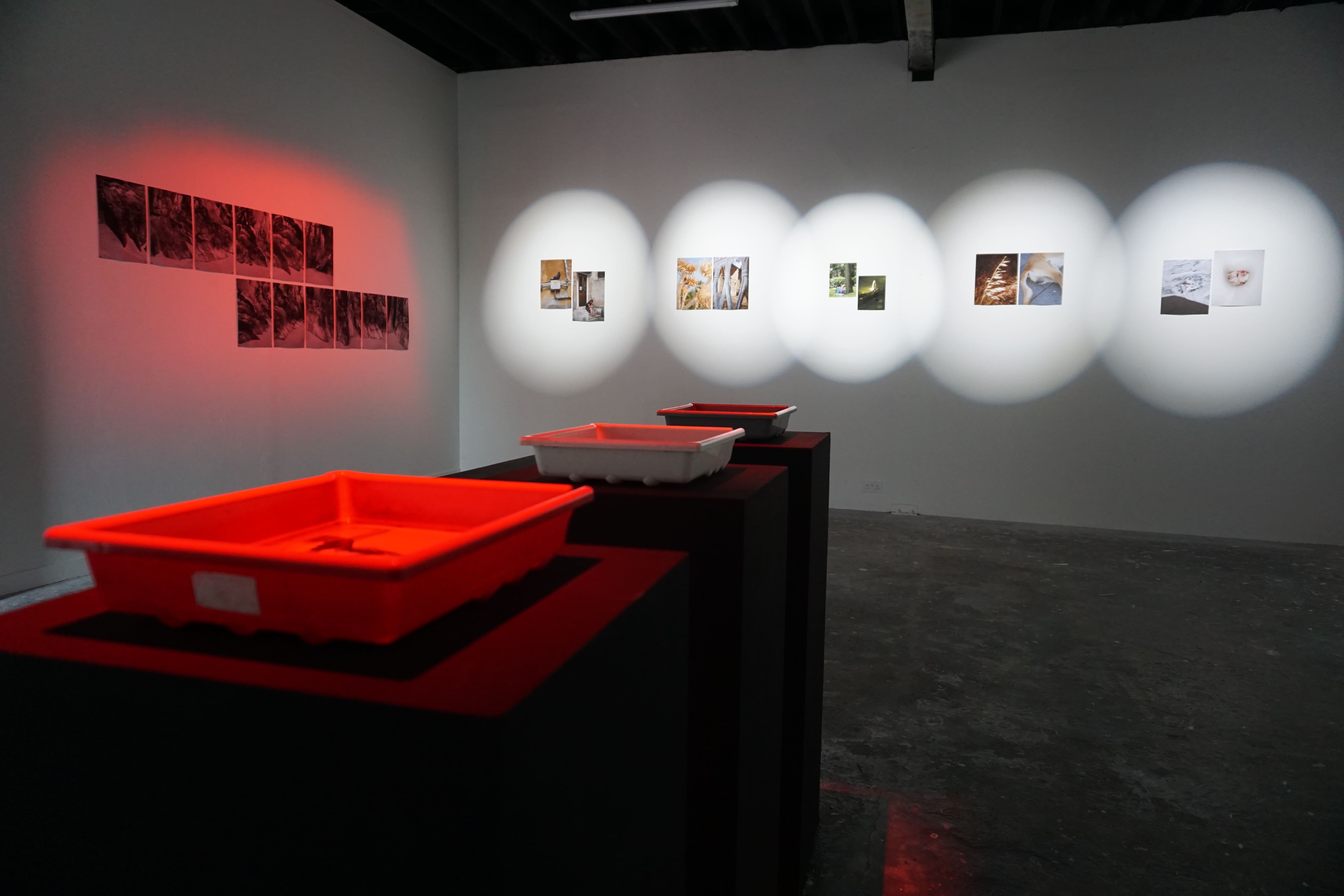
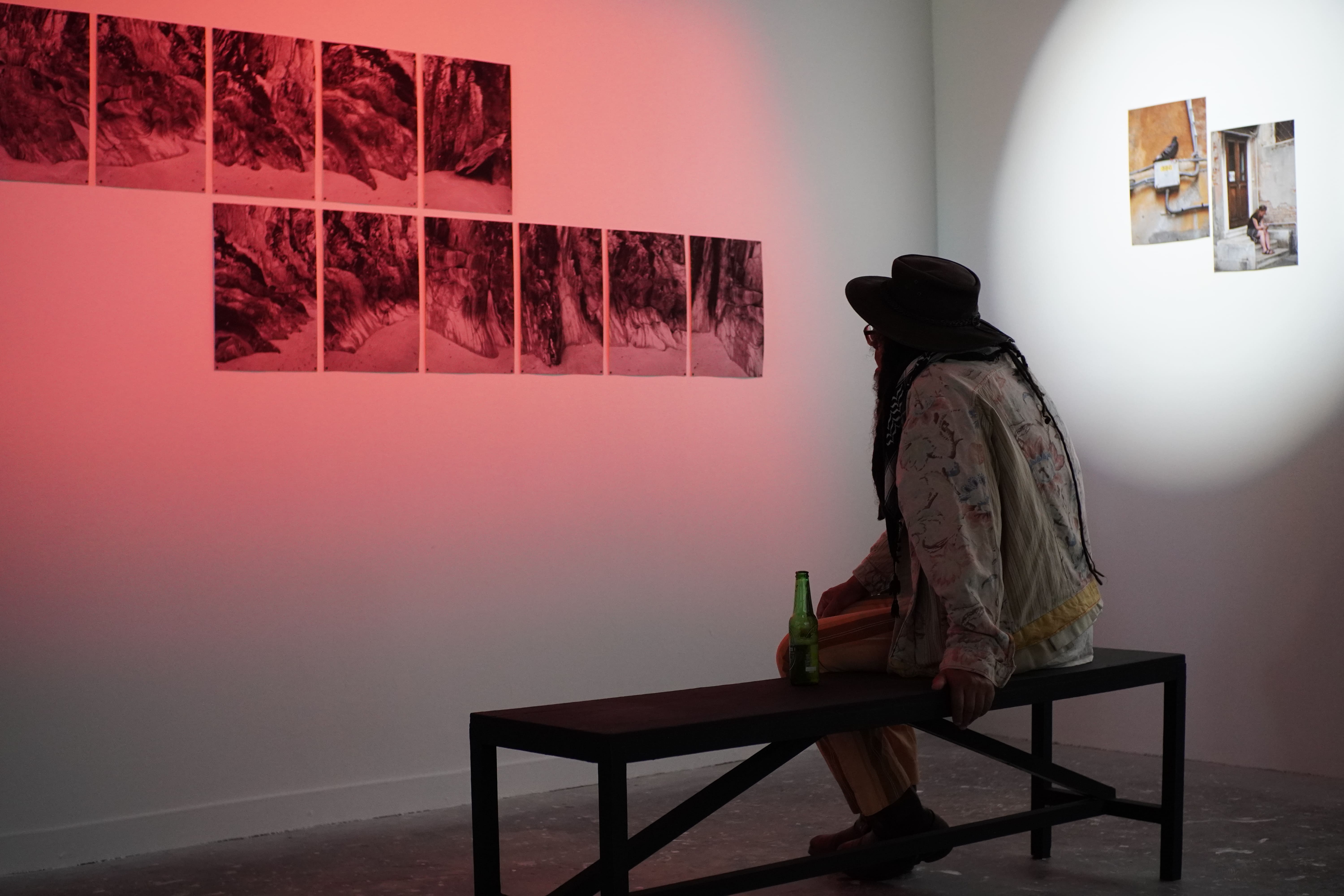
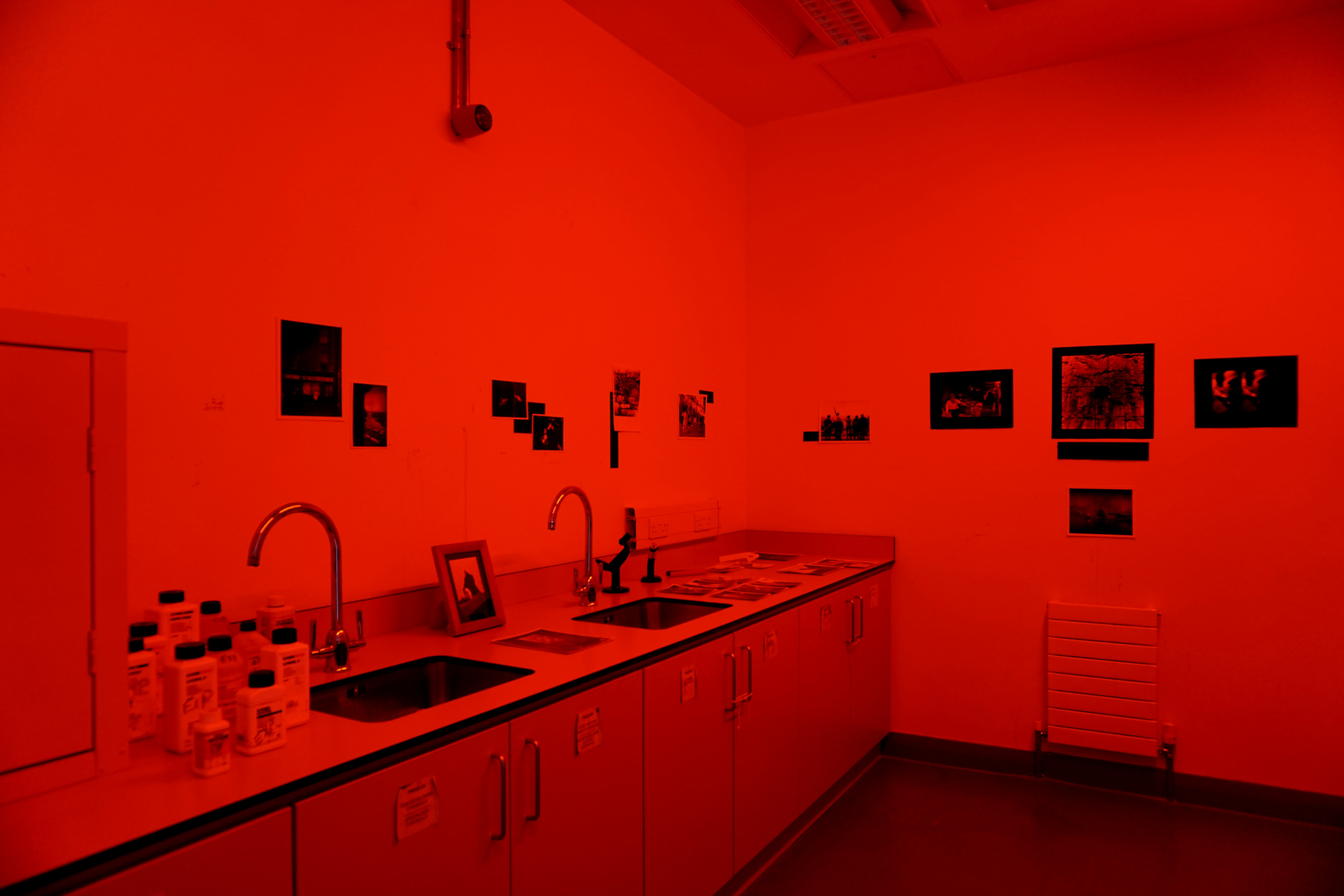
test_prints

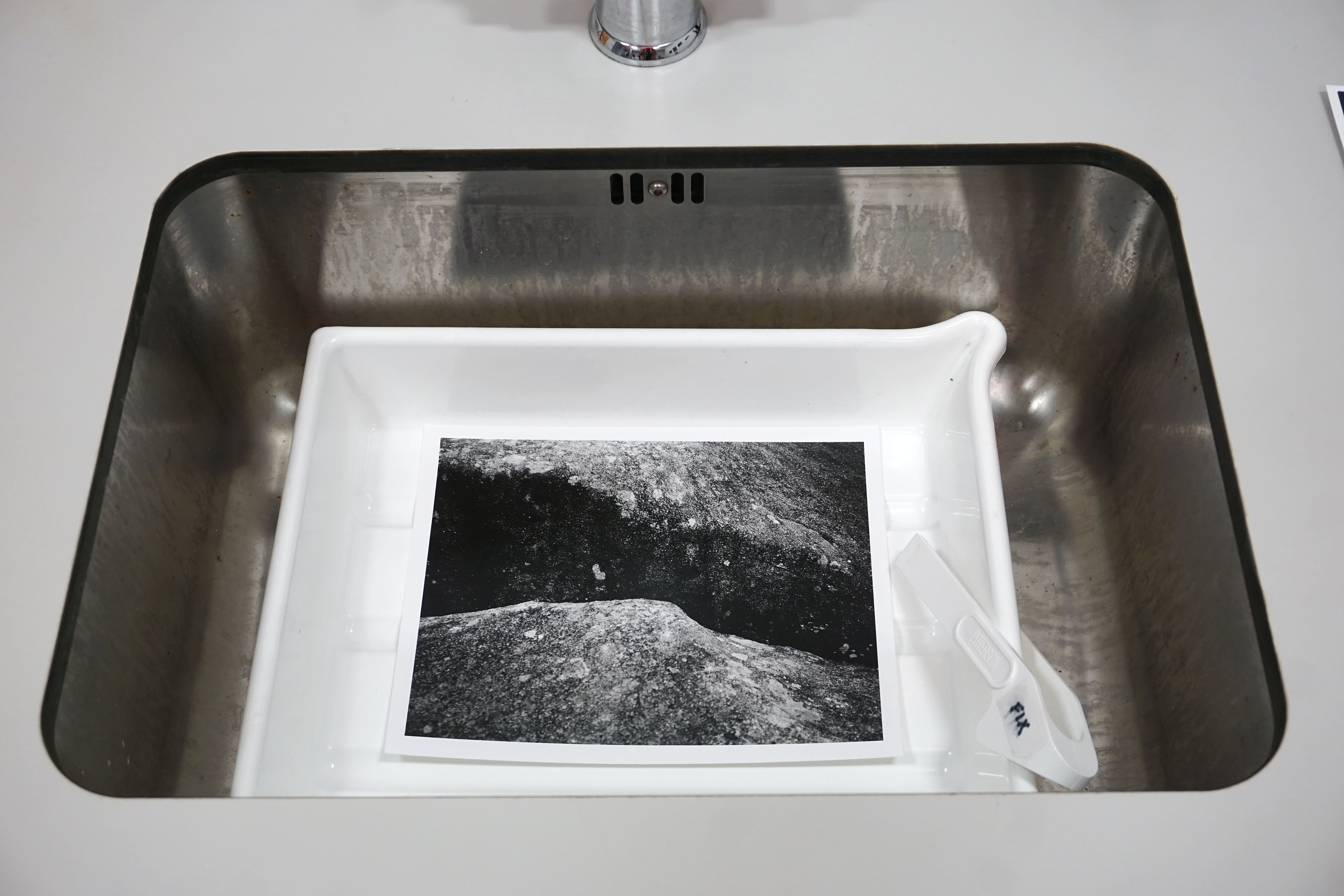
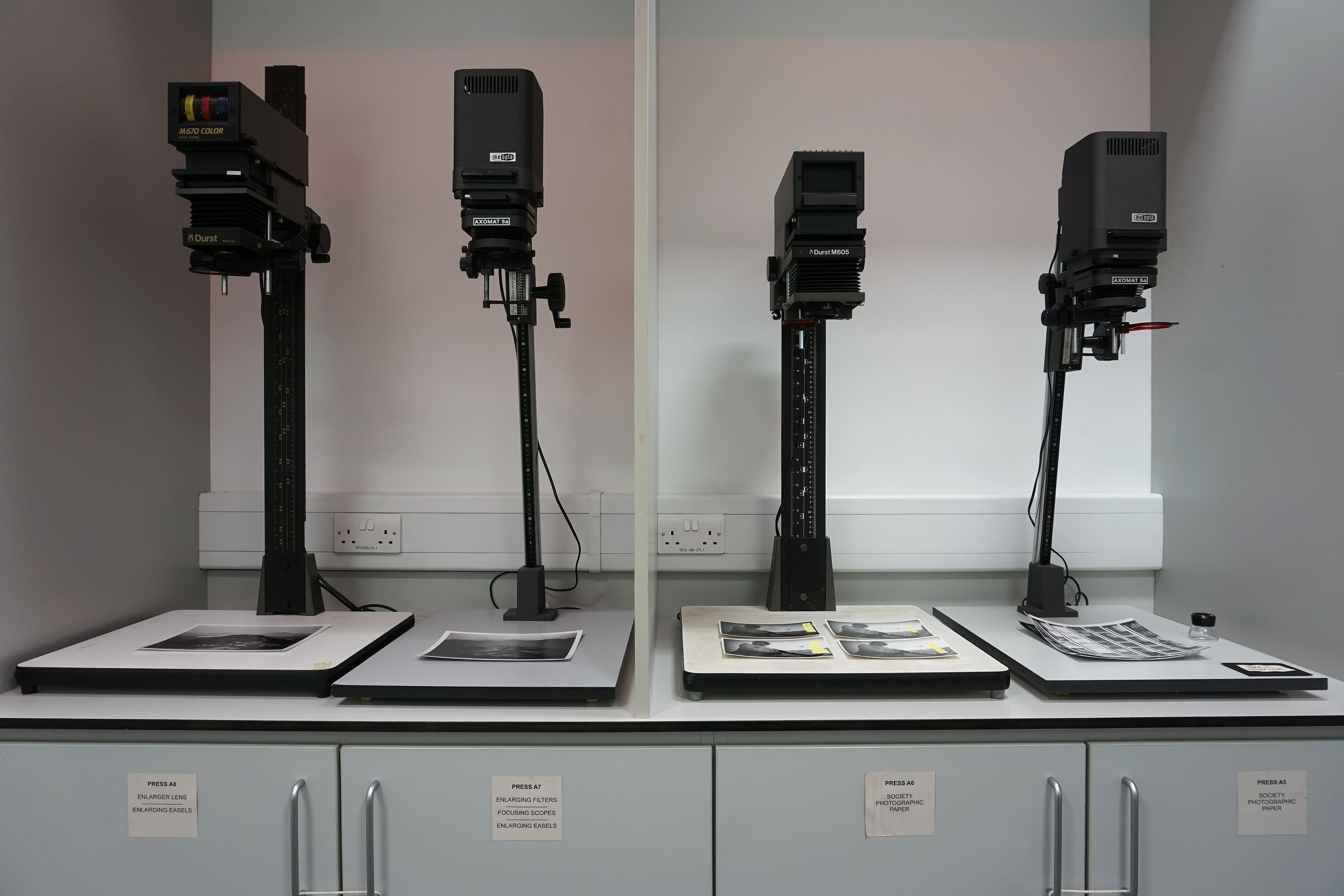
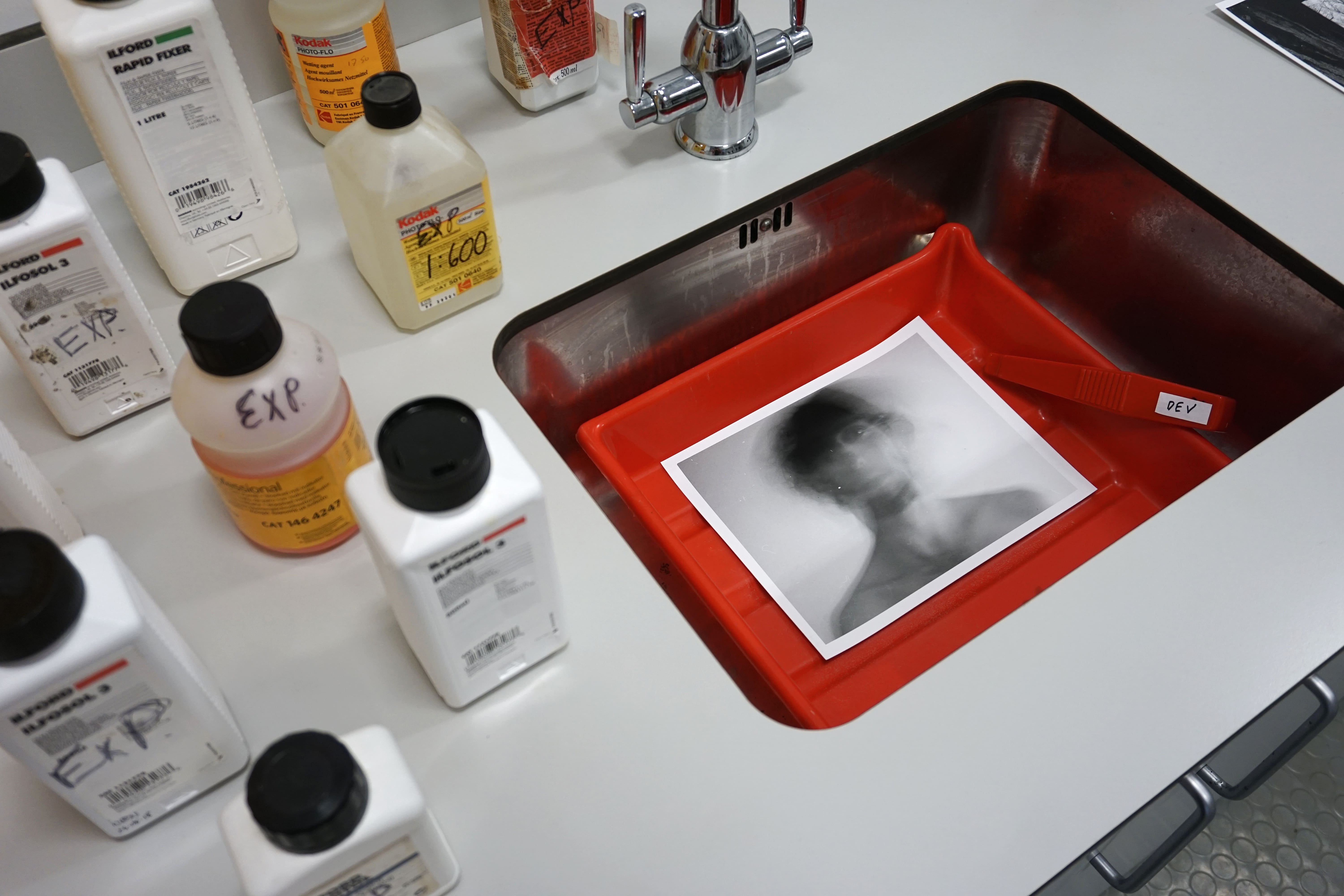
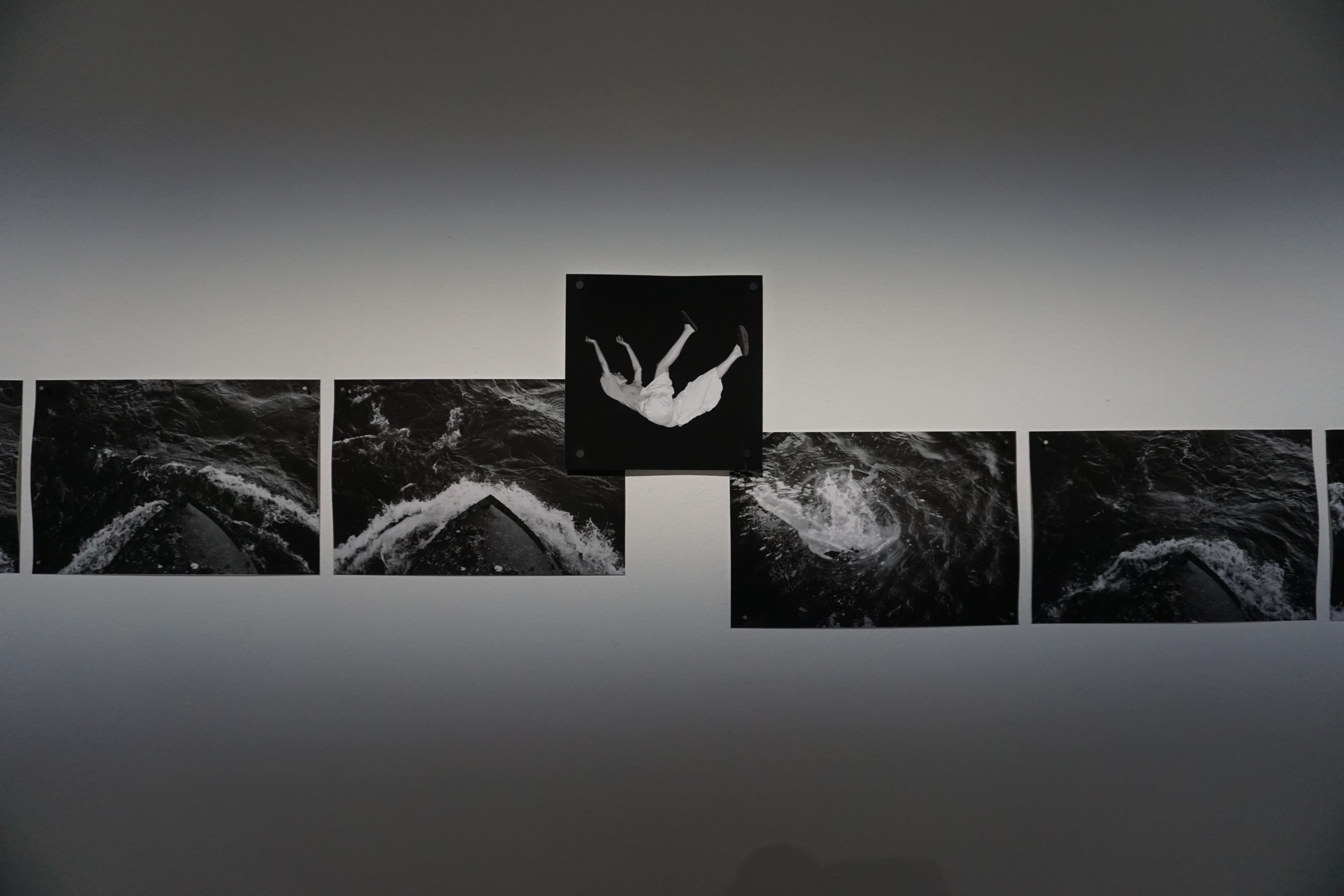
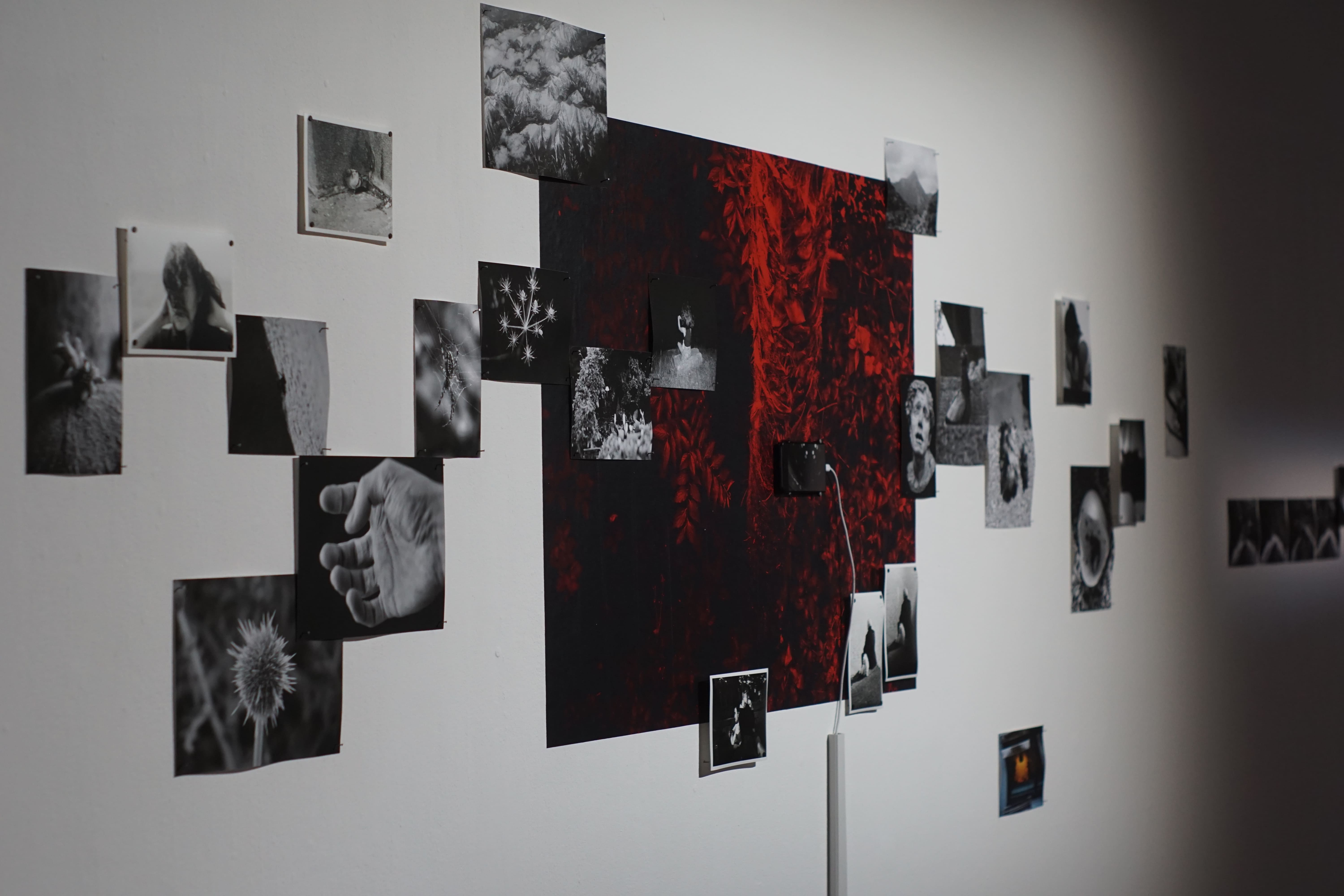
Gelatin Silver Prints, Darkroom Pop-up Exhibition / January 2025
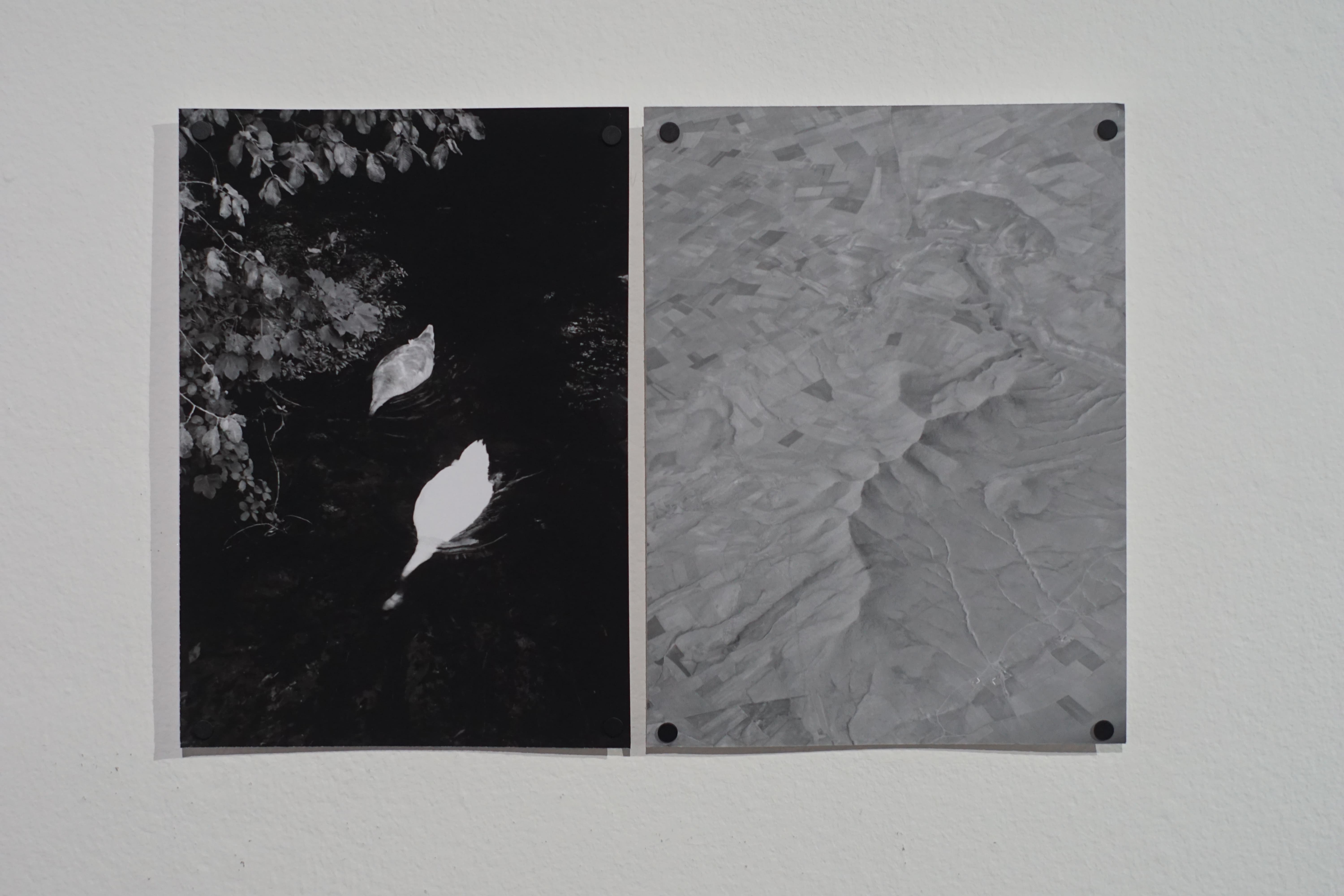
Artwork Title 1

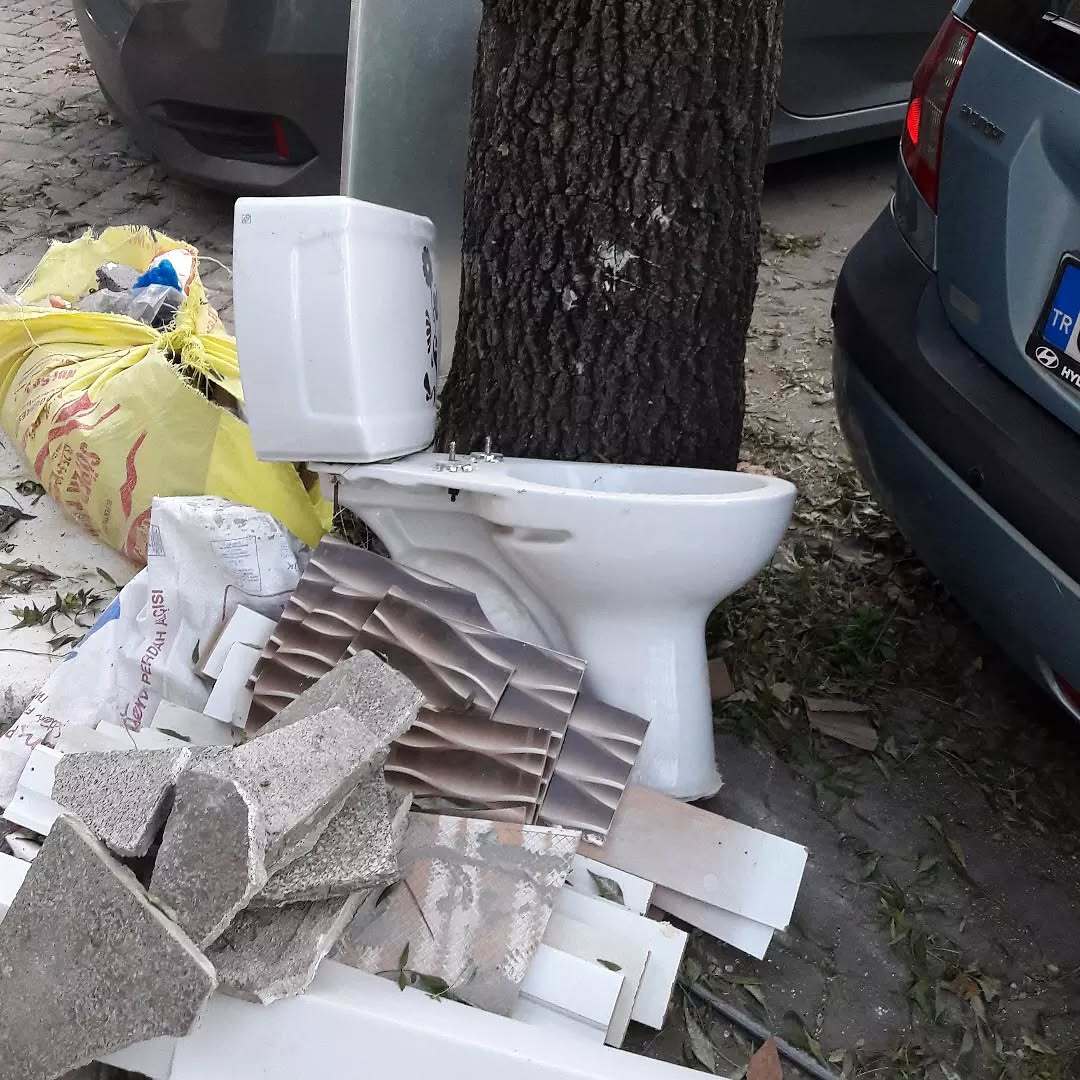
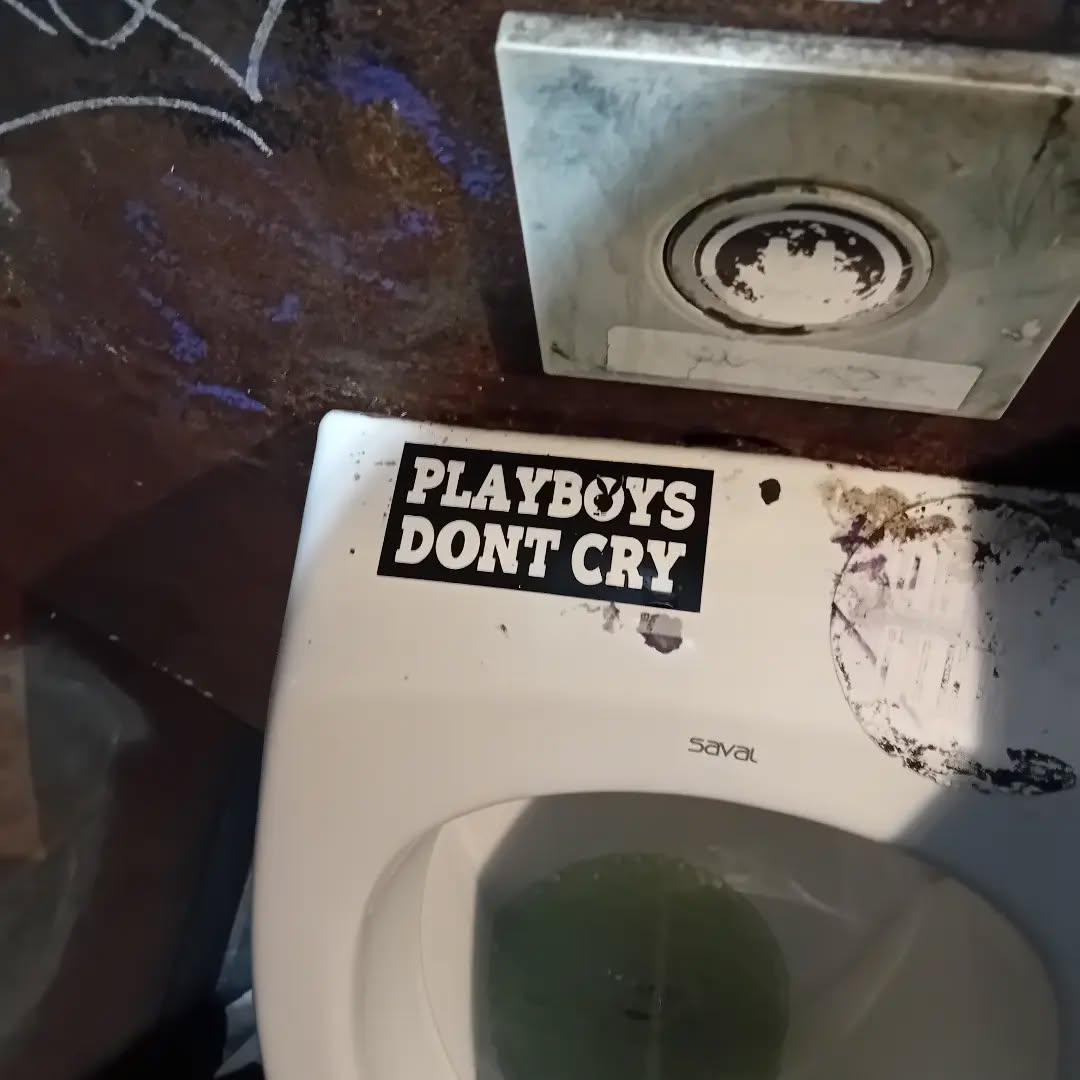
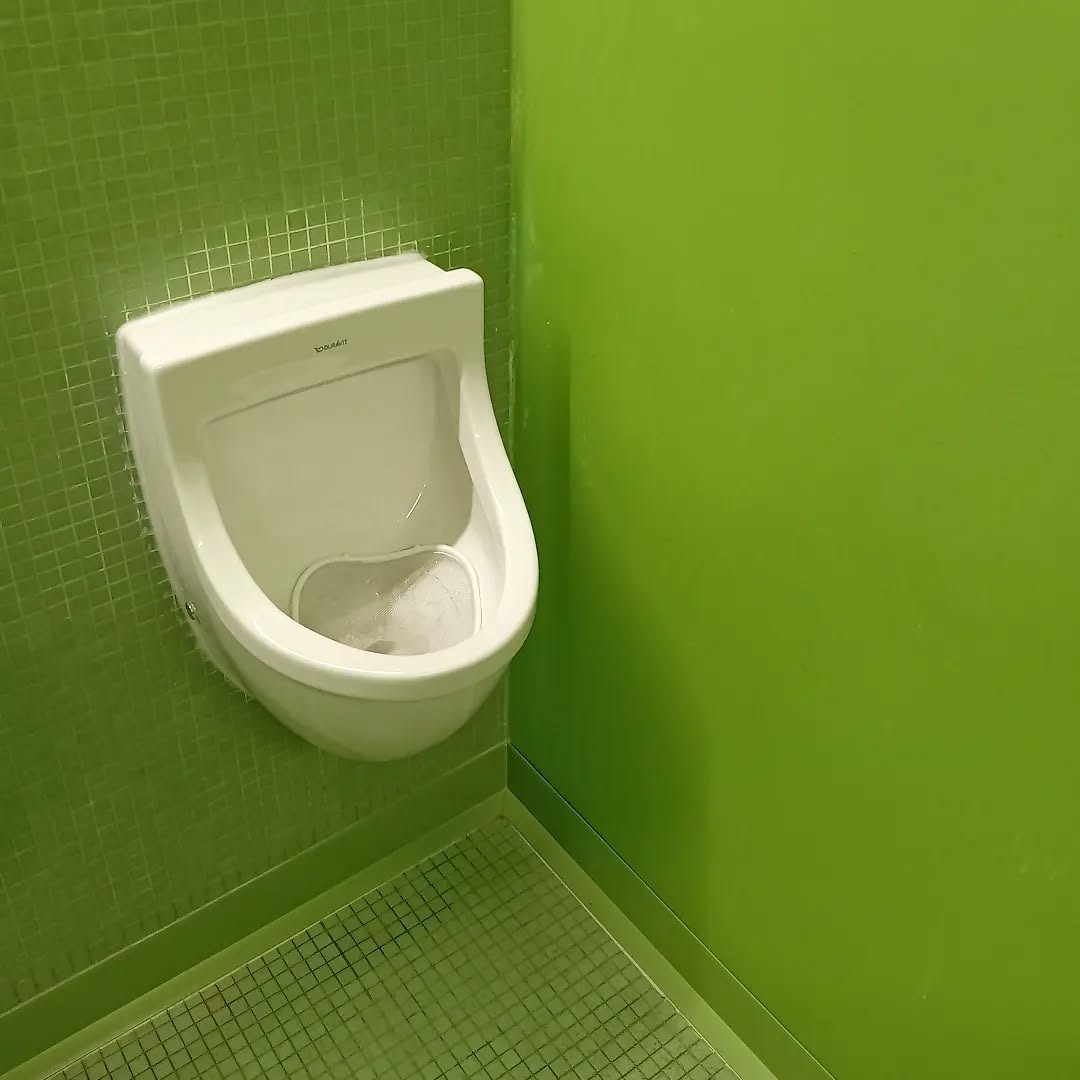
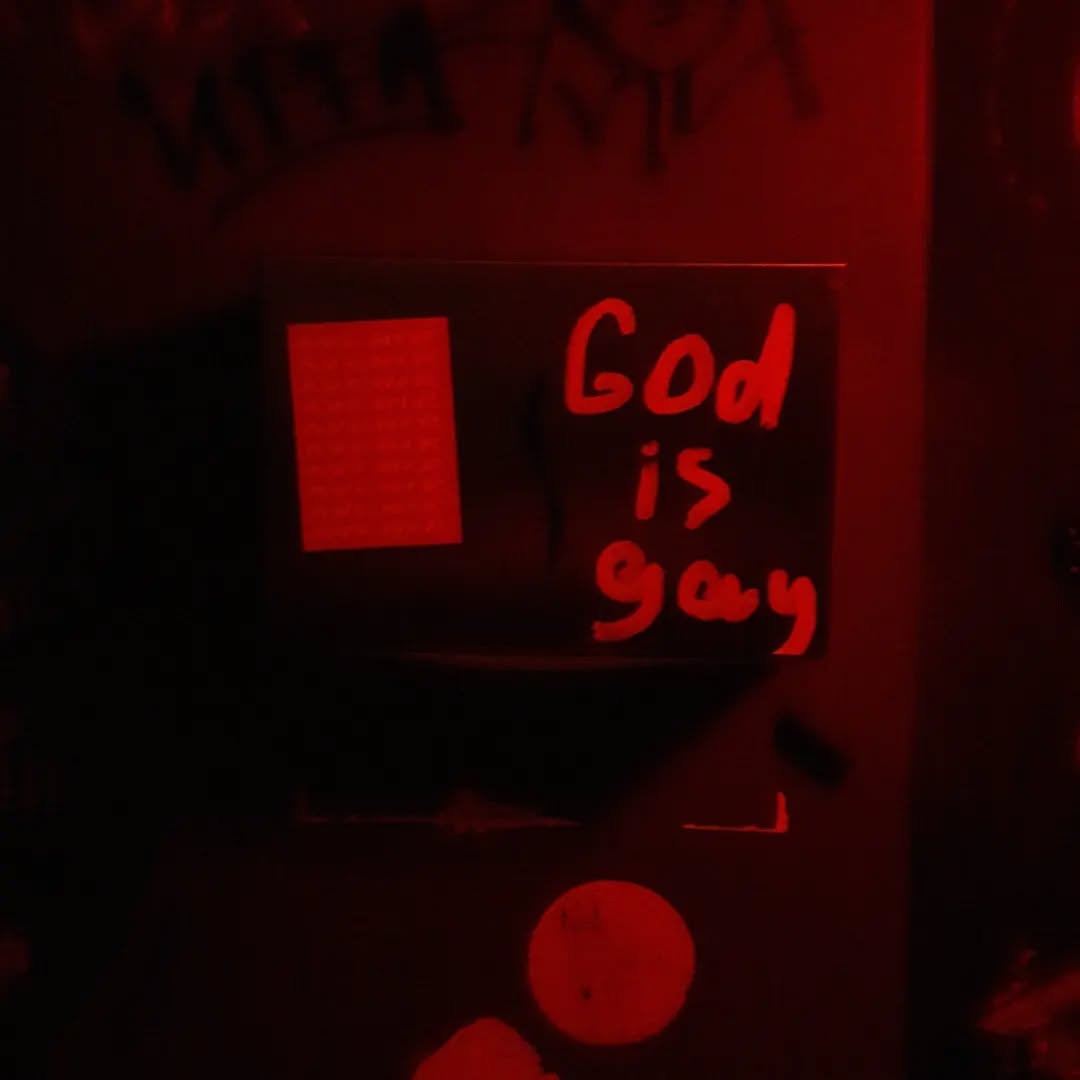
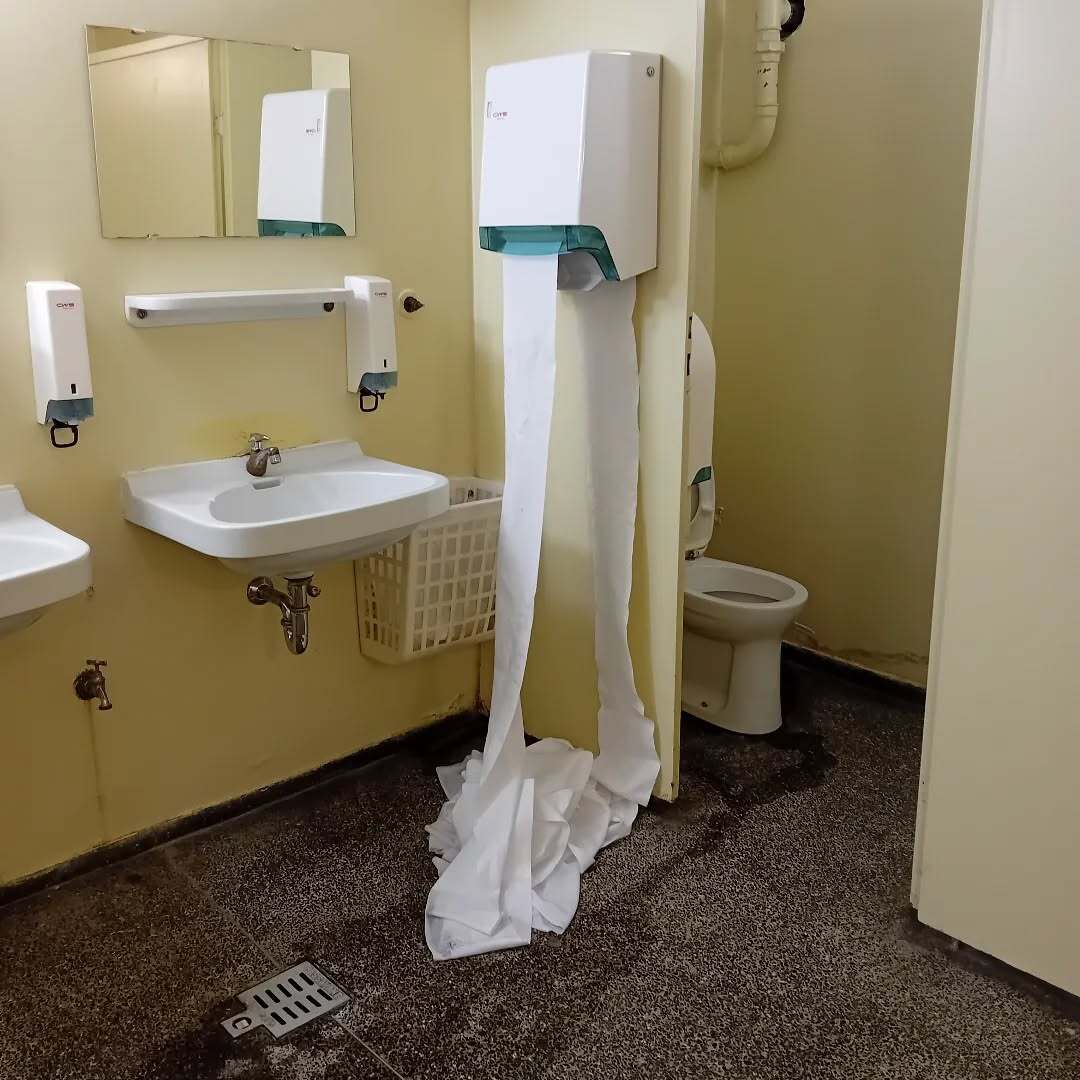
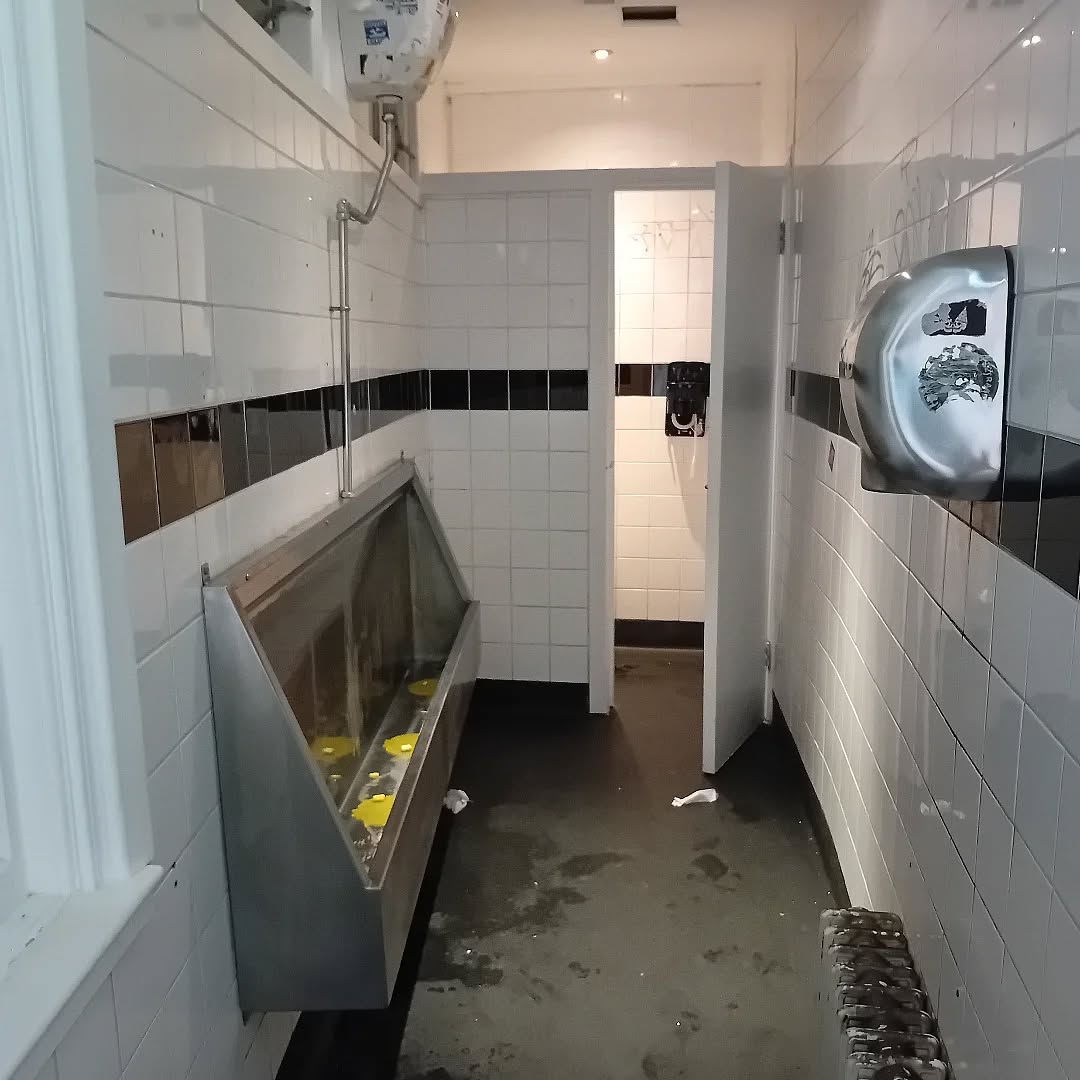
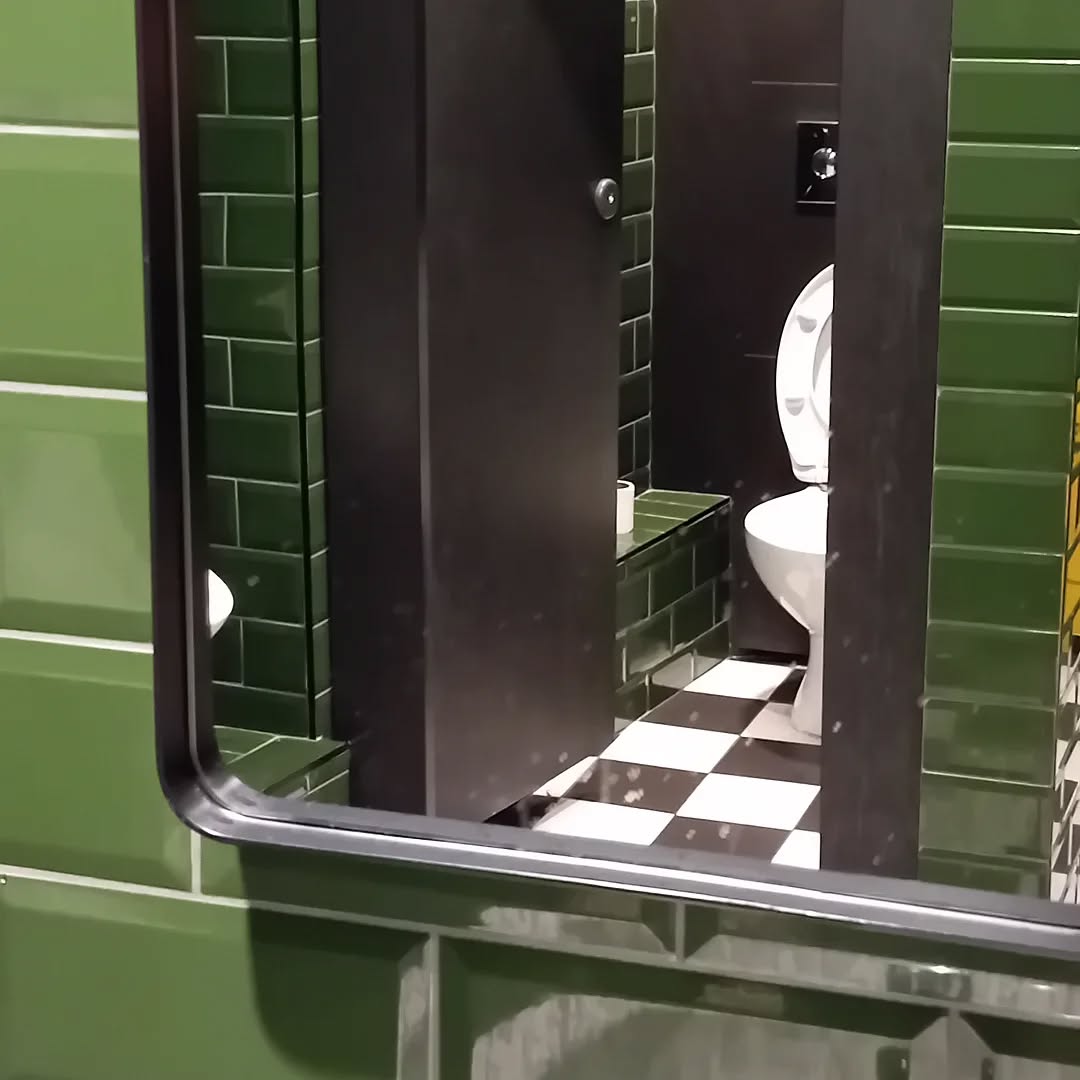
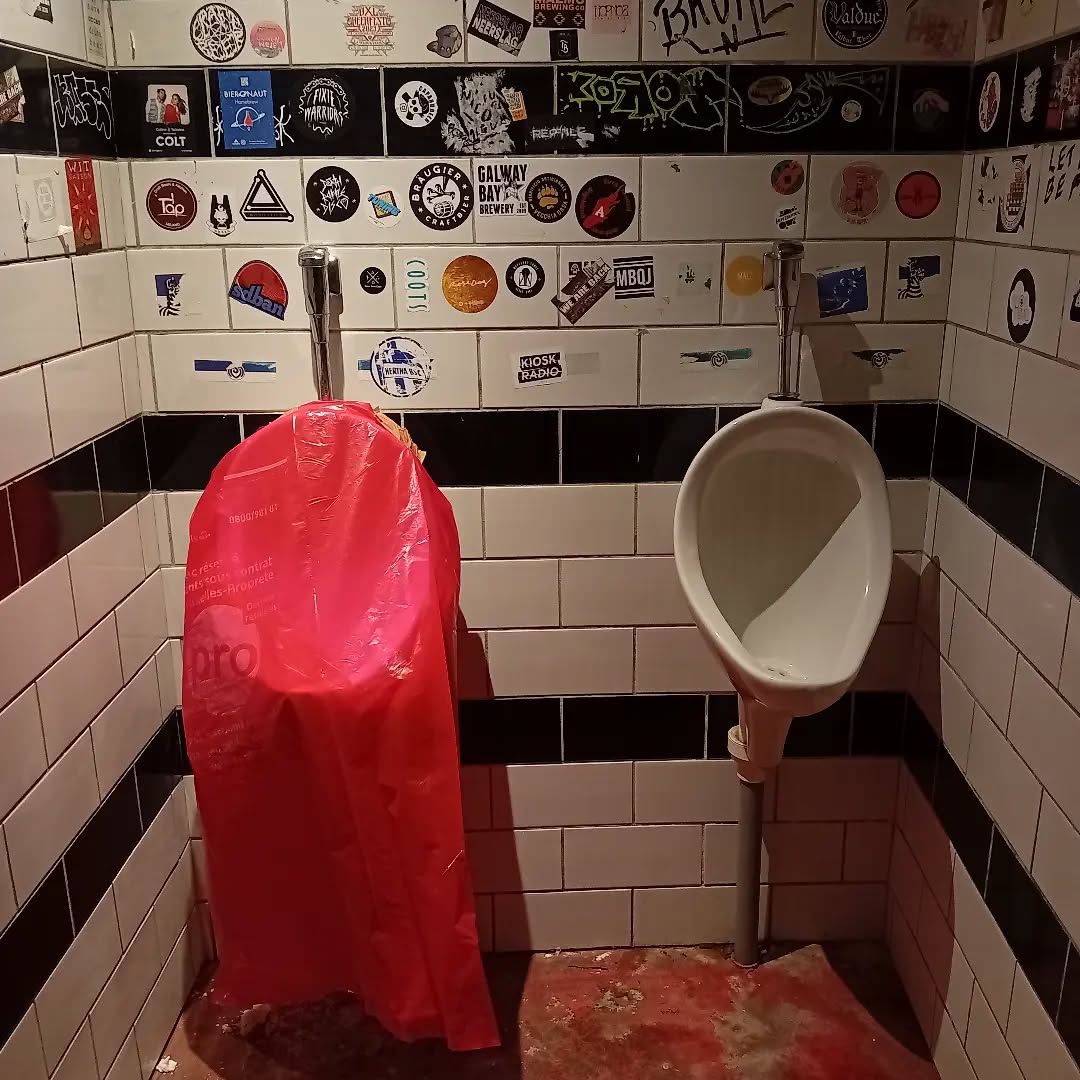
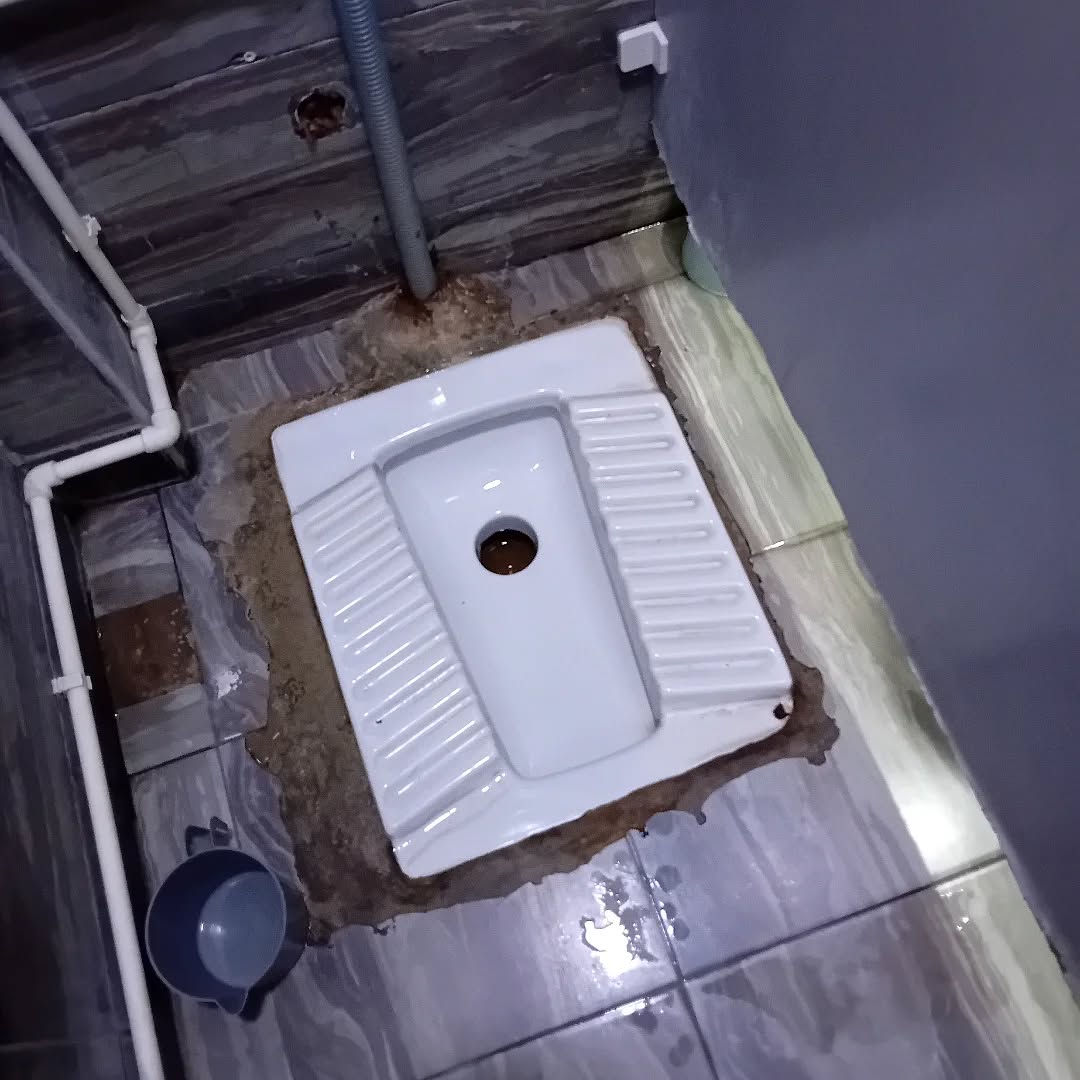
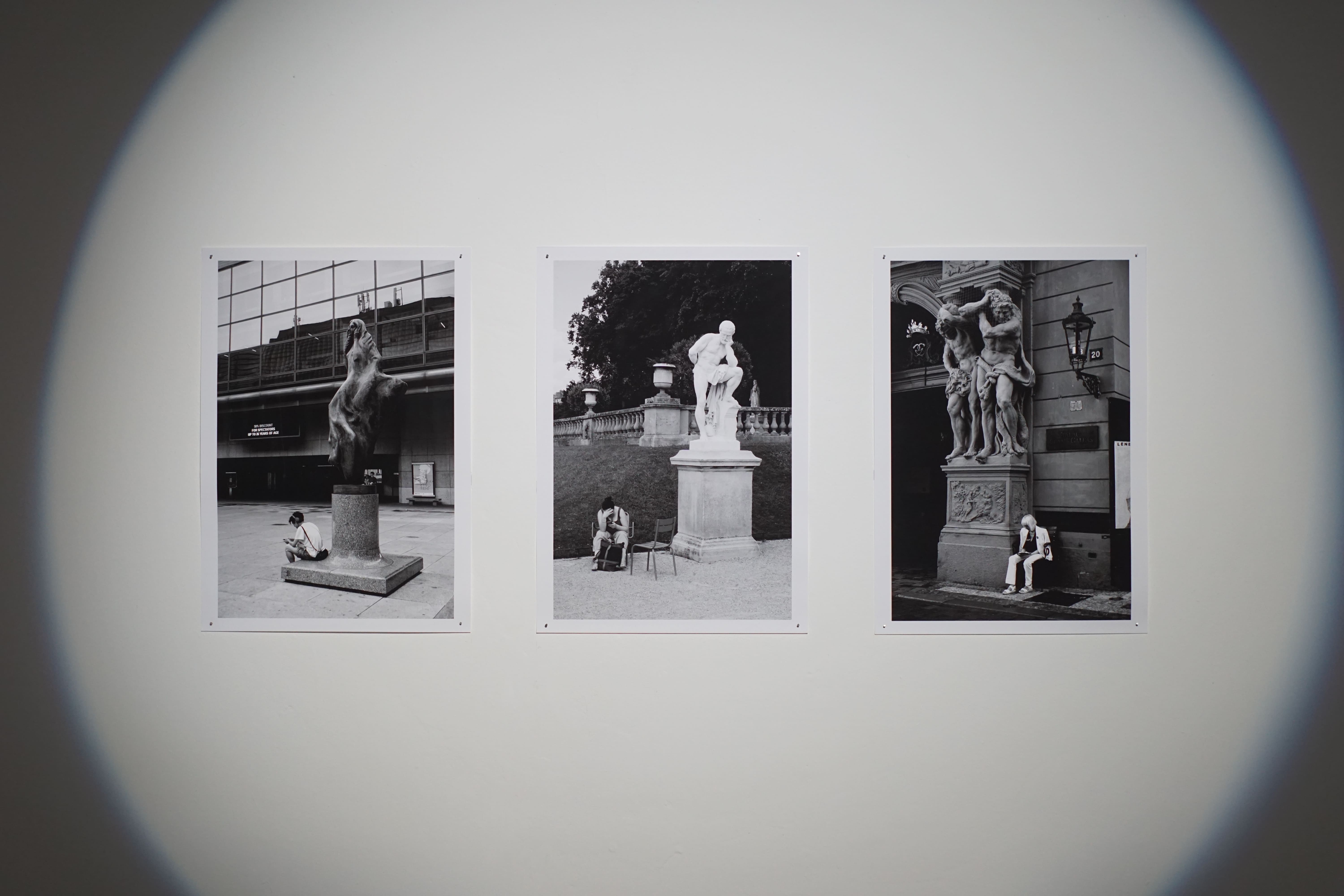
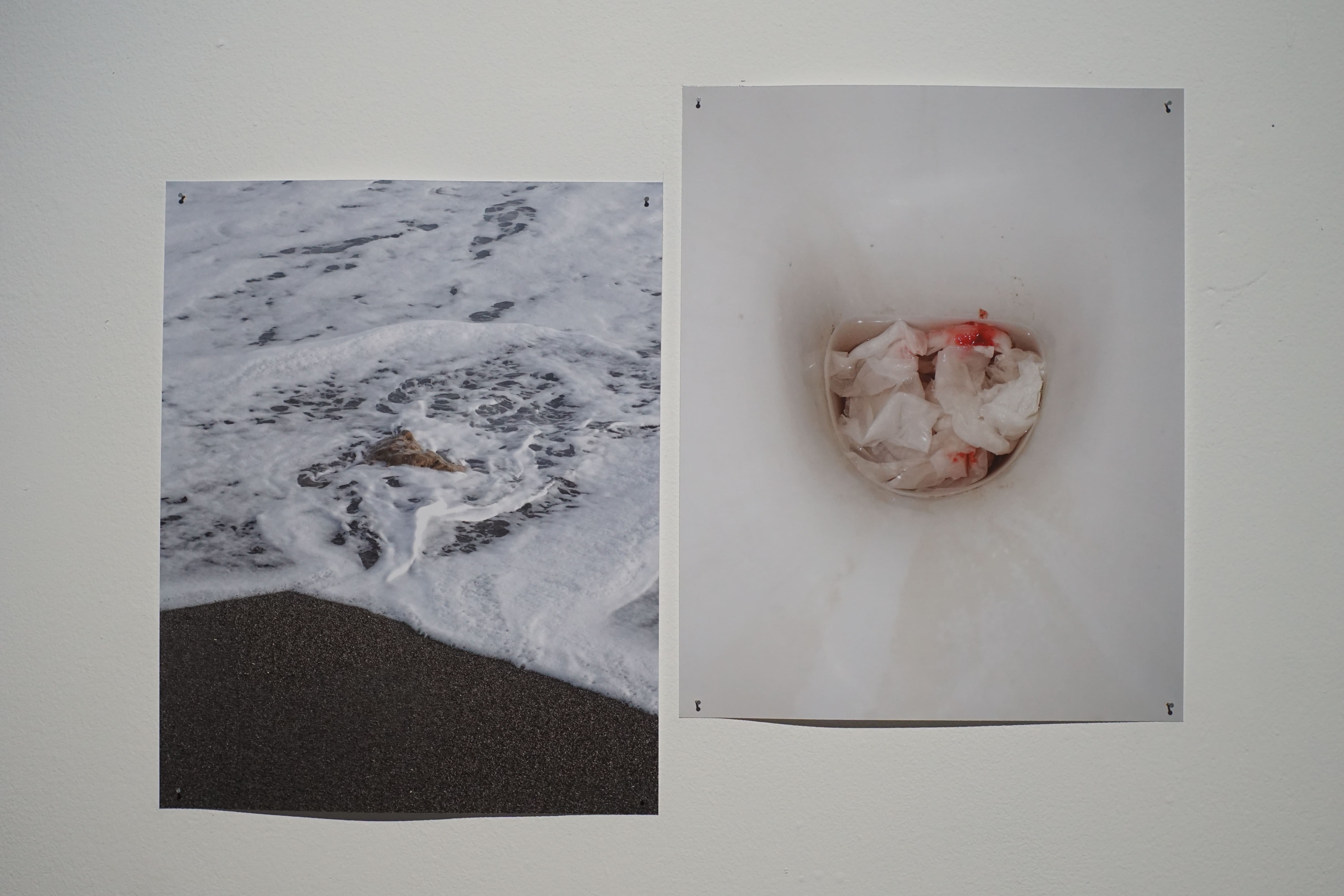
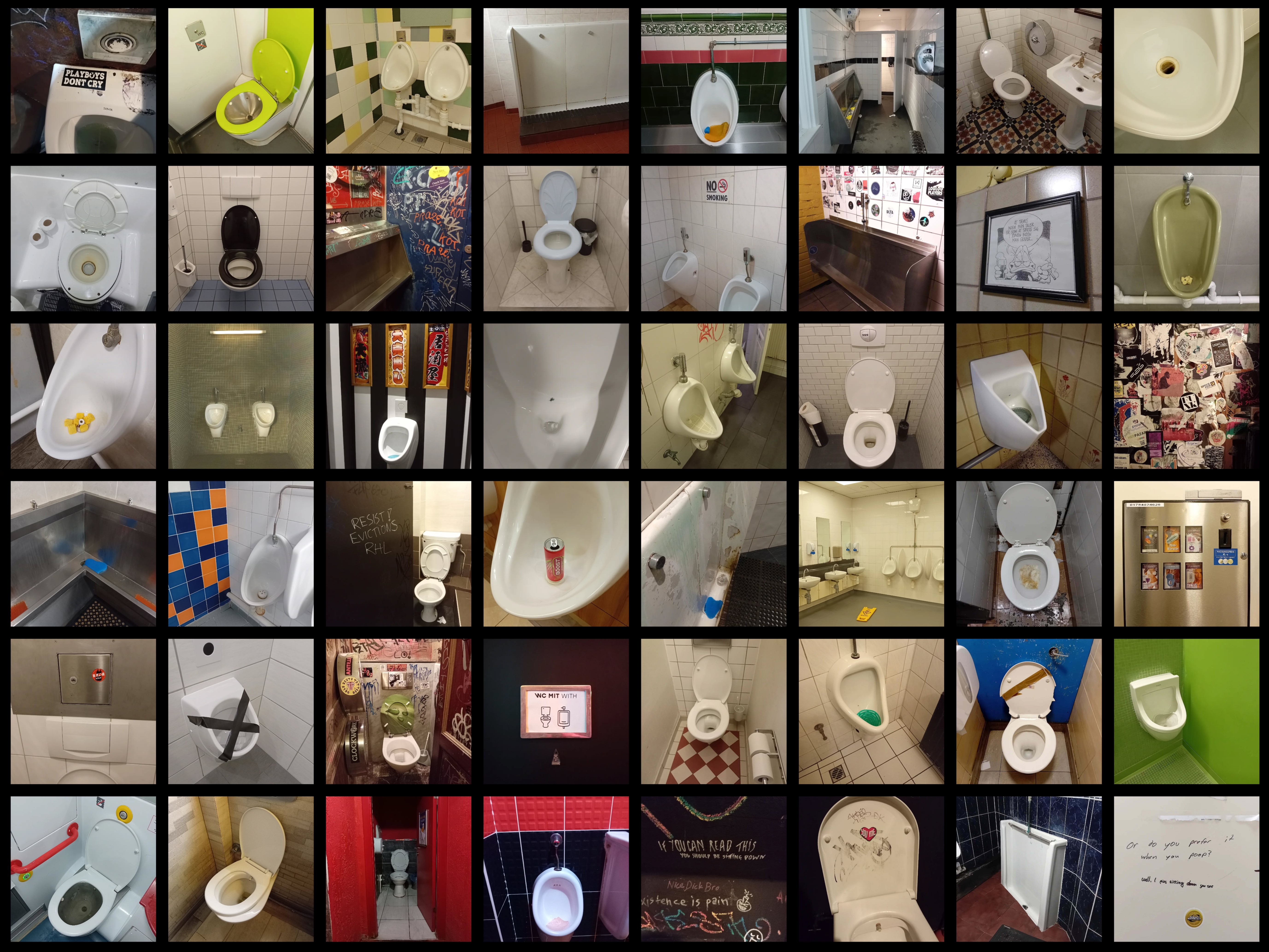
nonplacesof.piss

Photography / 2022-ongoing
Artwork Title 1

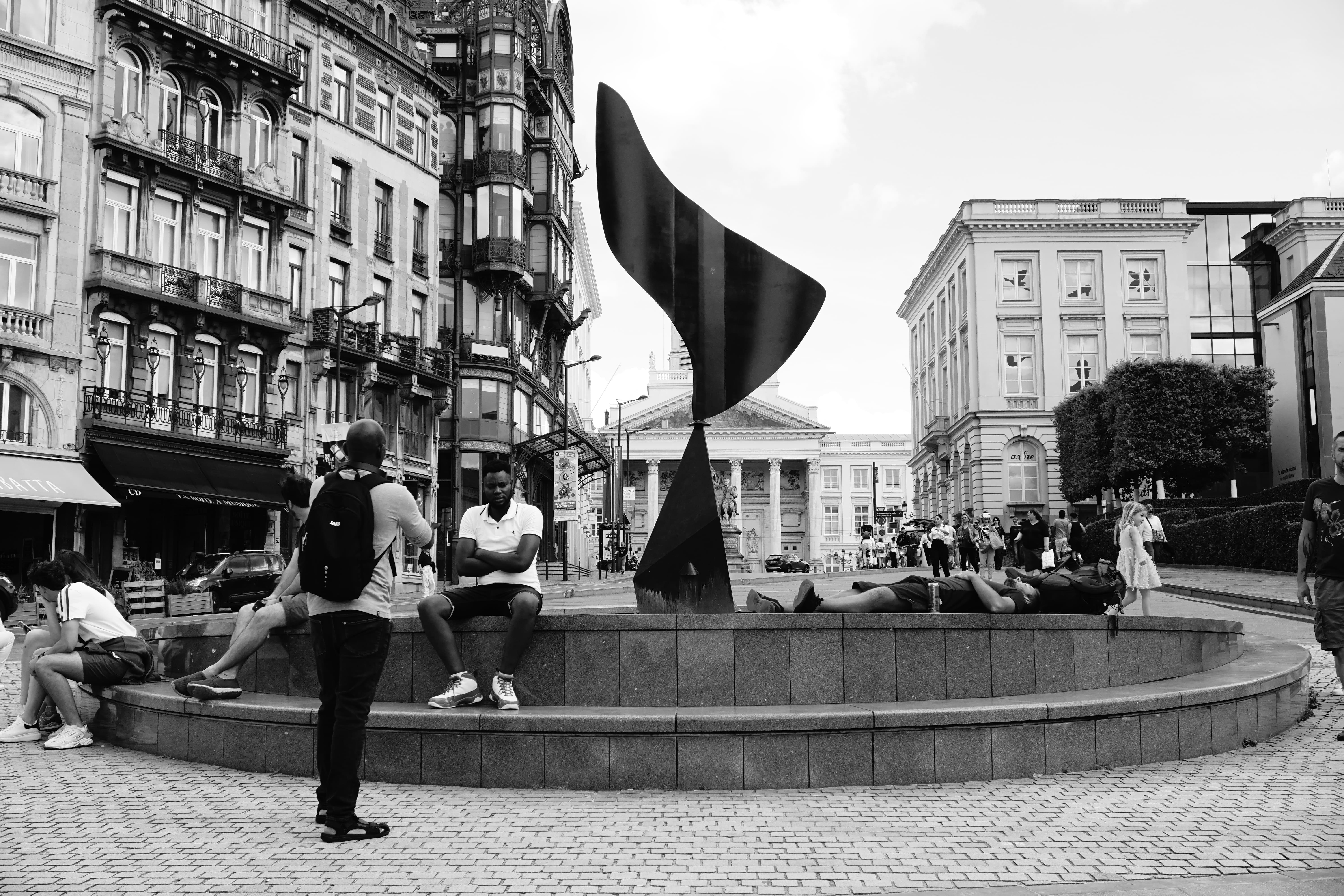
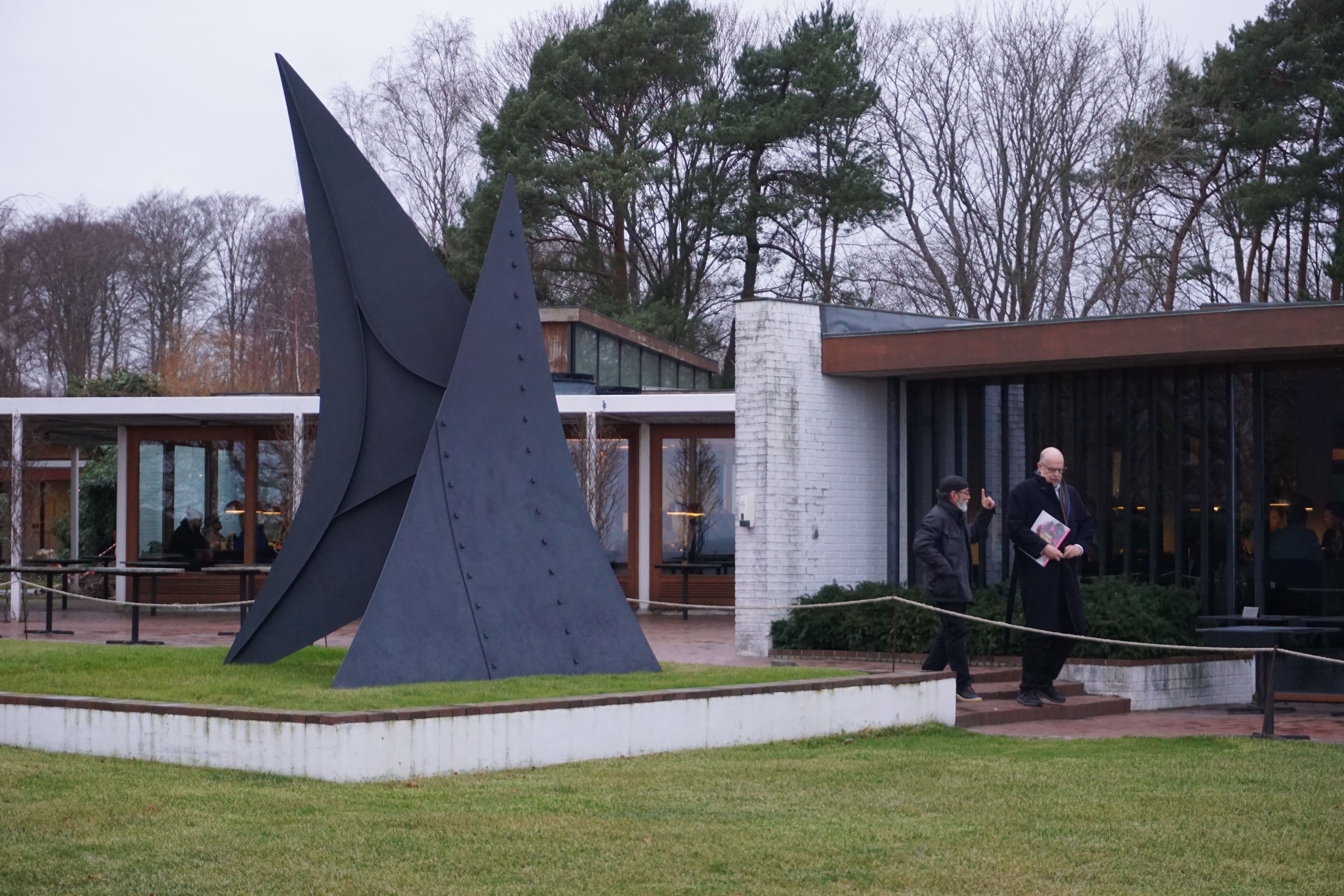
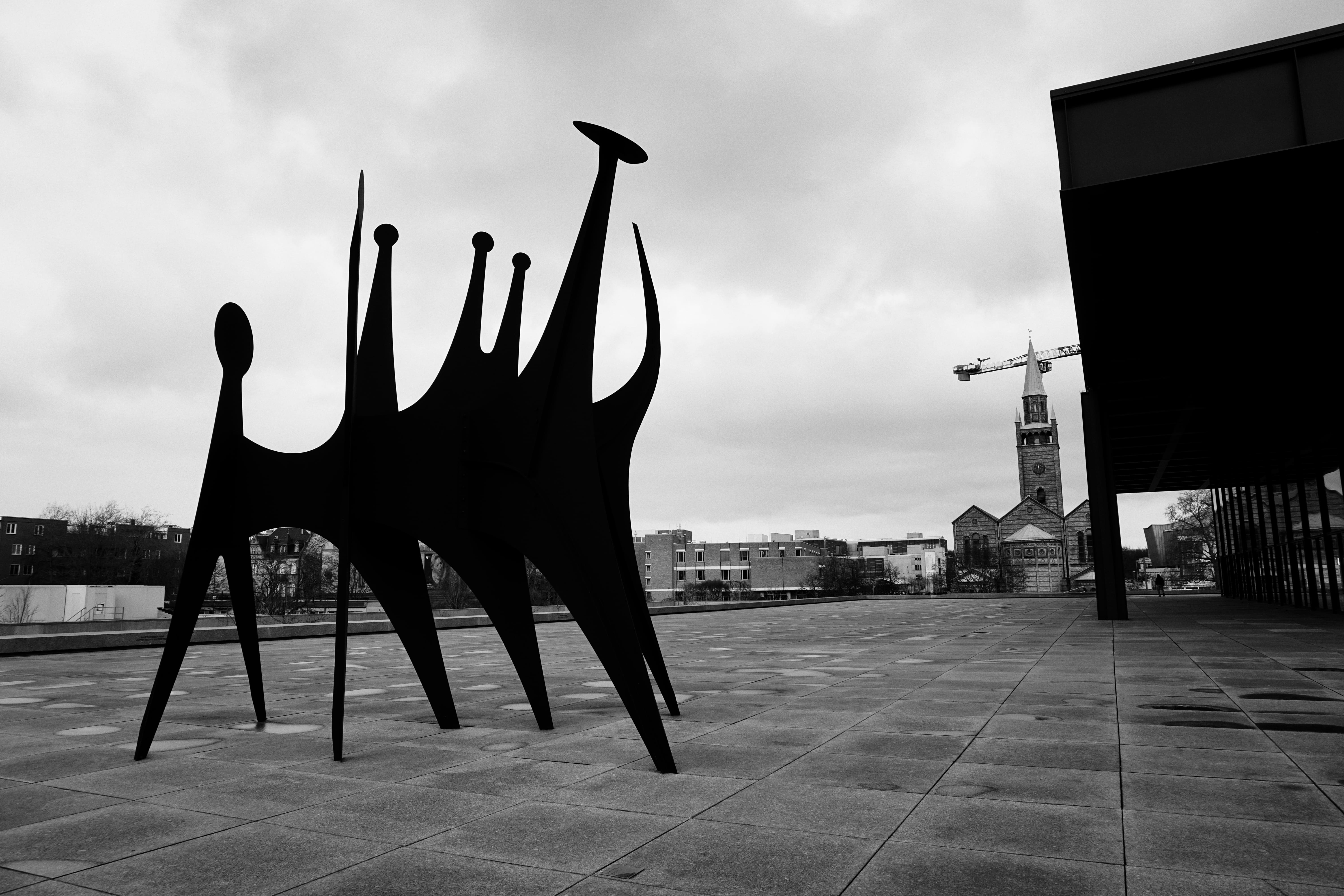
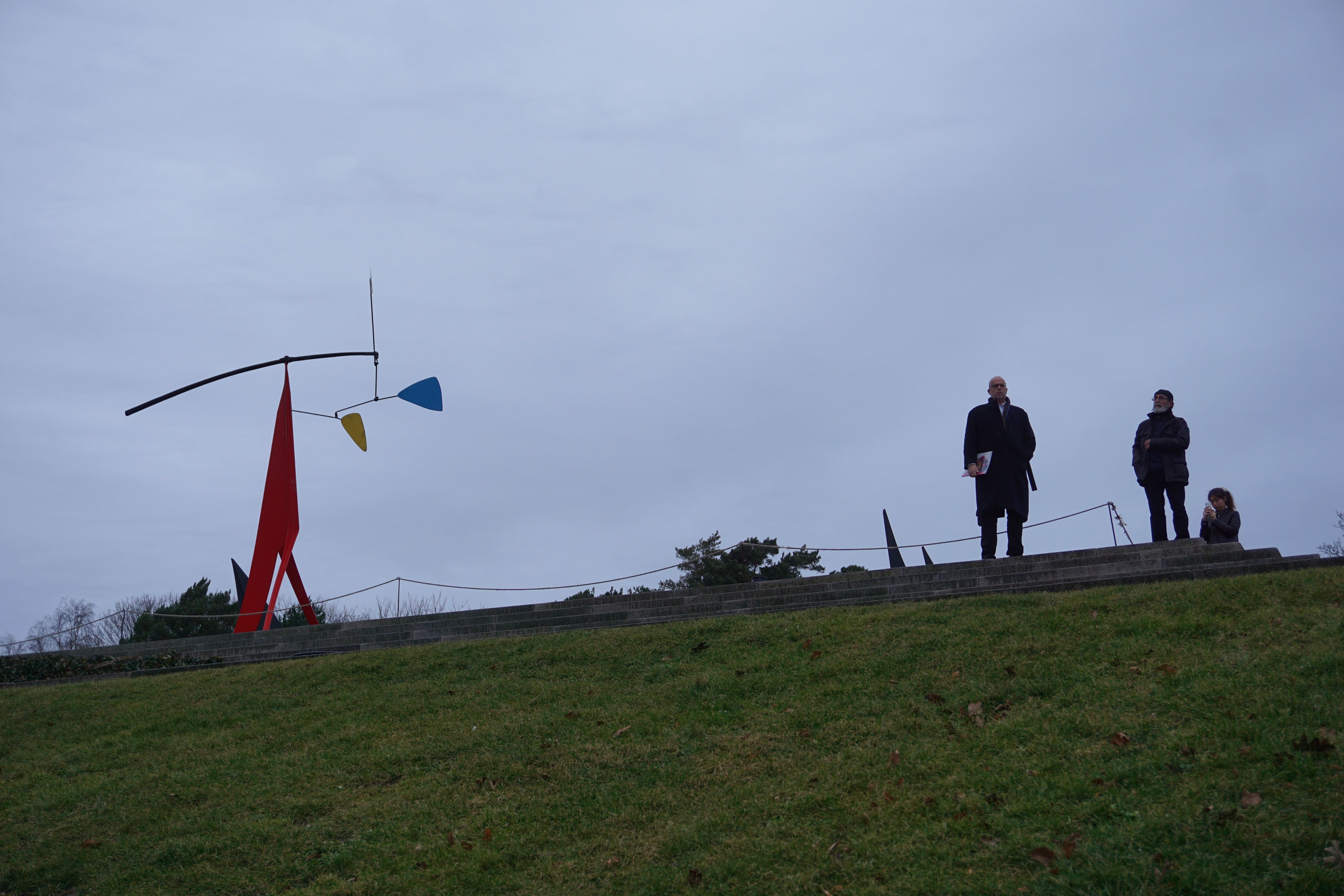
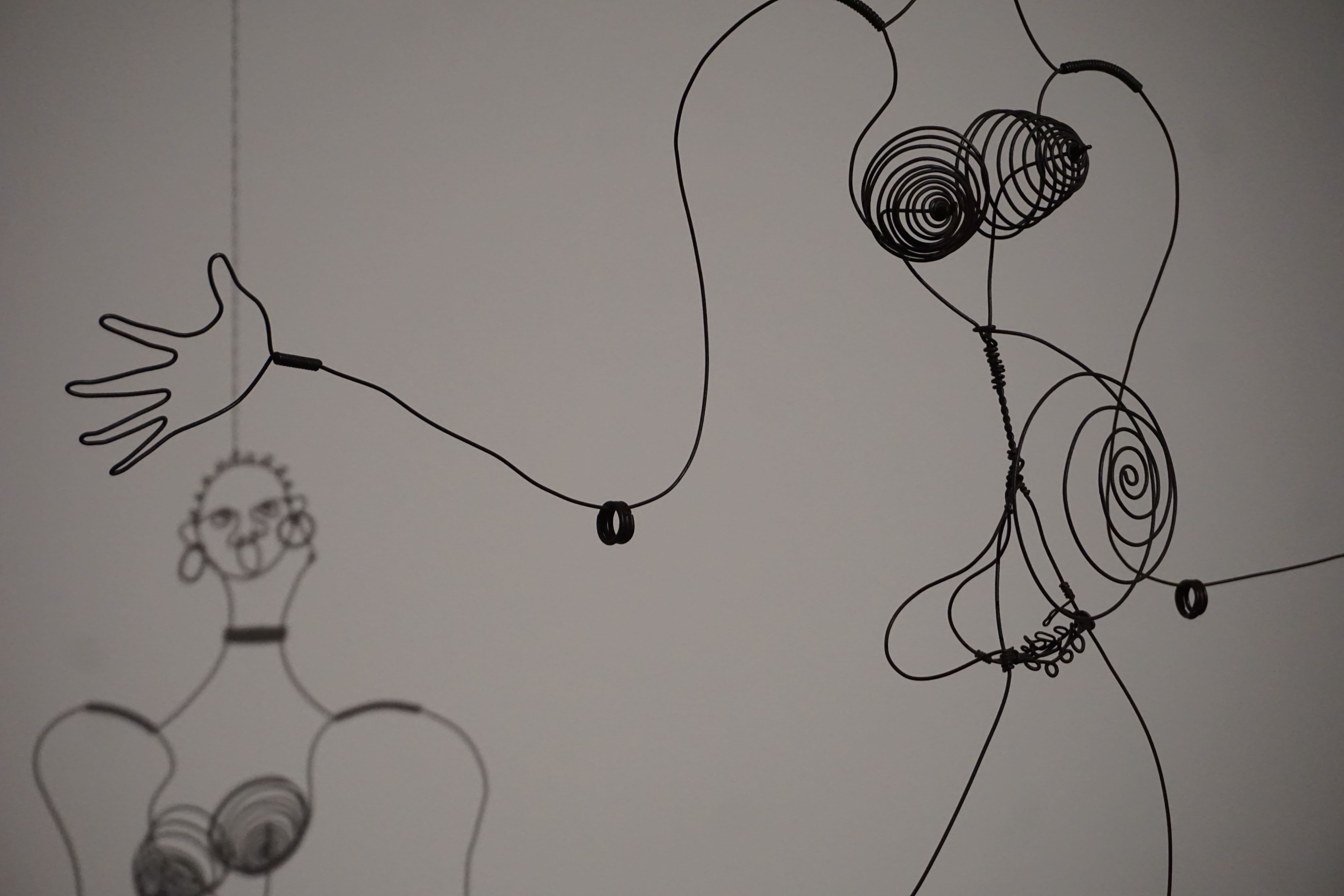
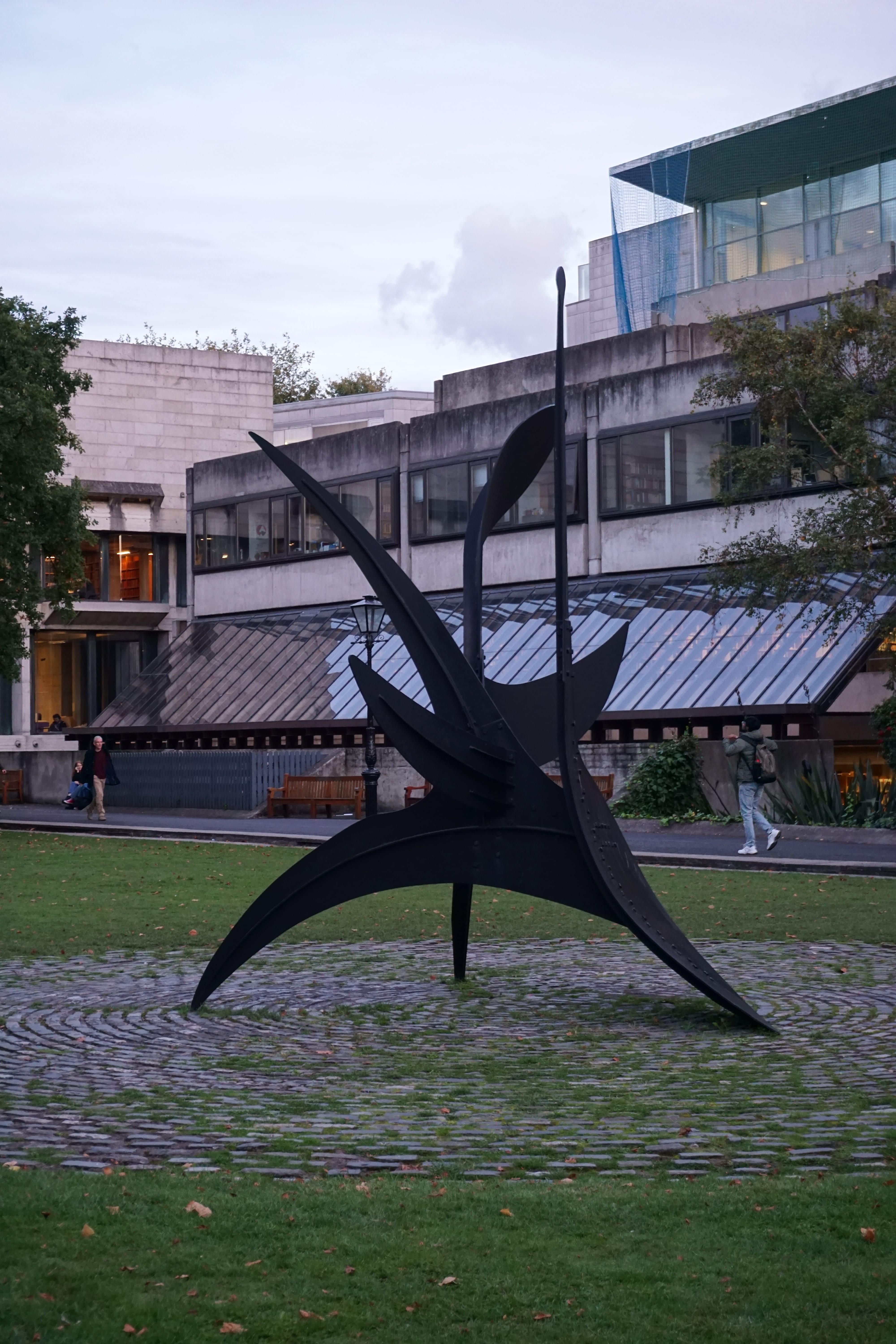
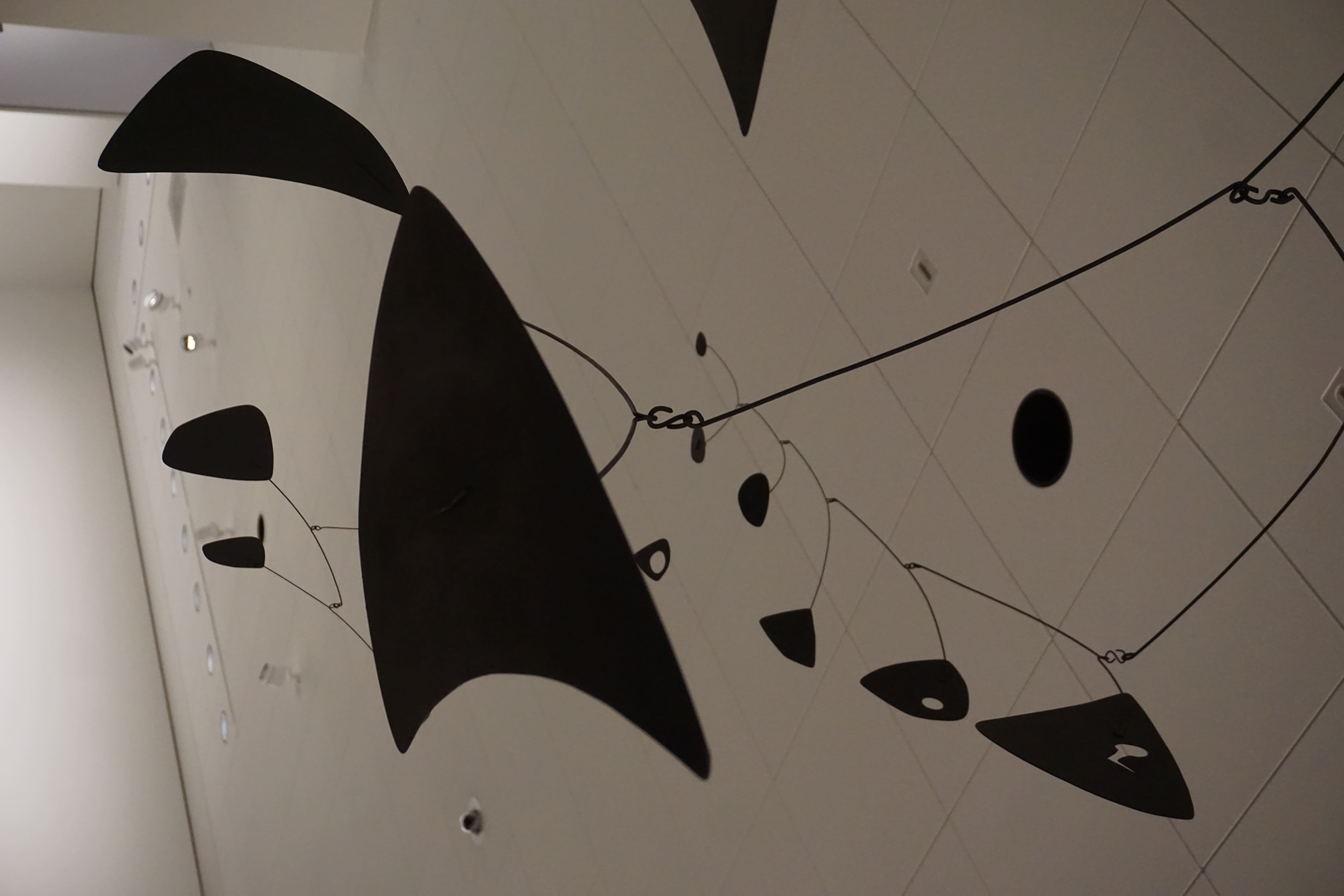
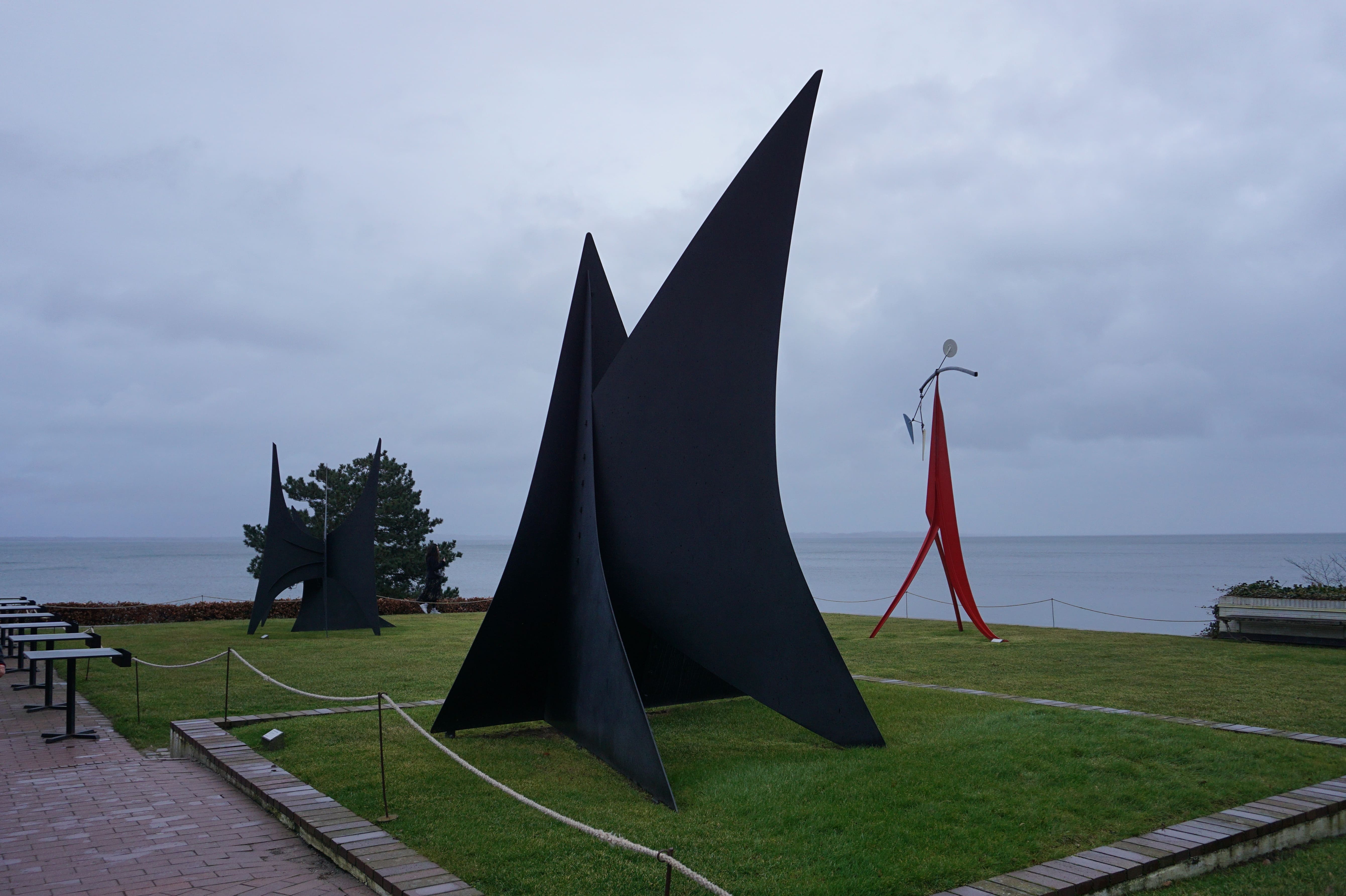
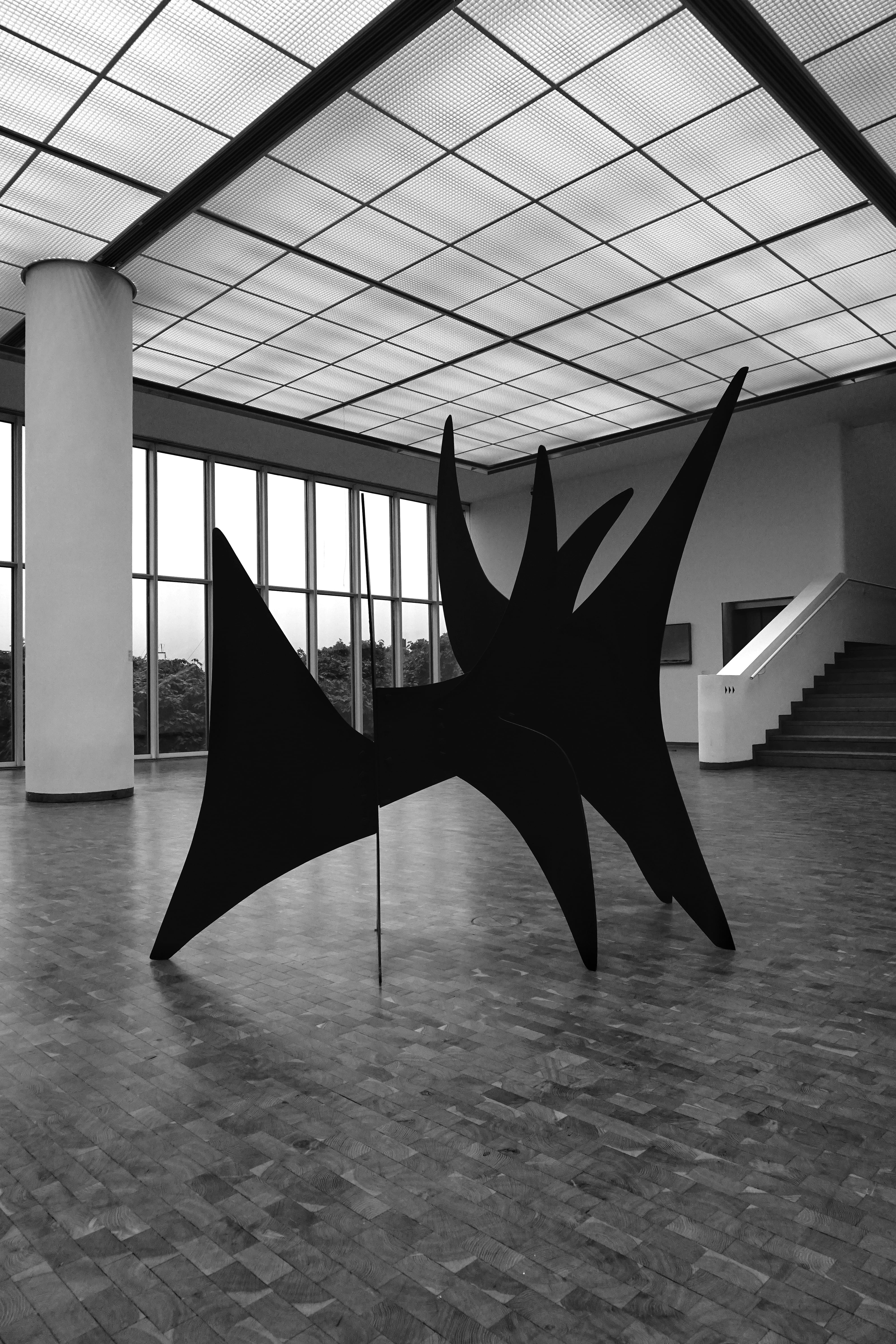
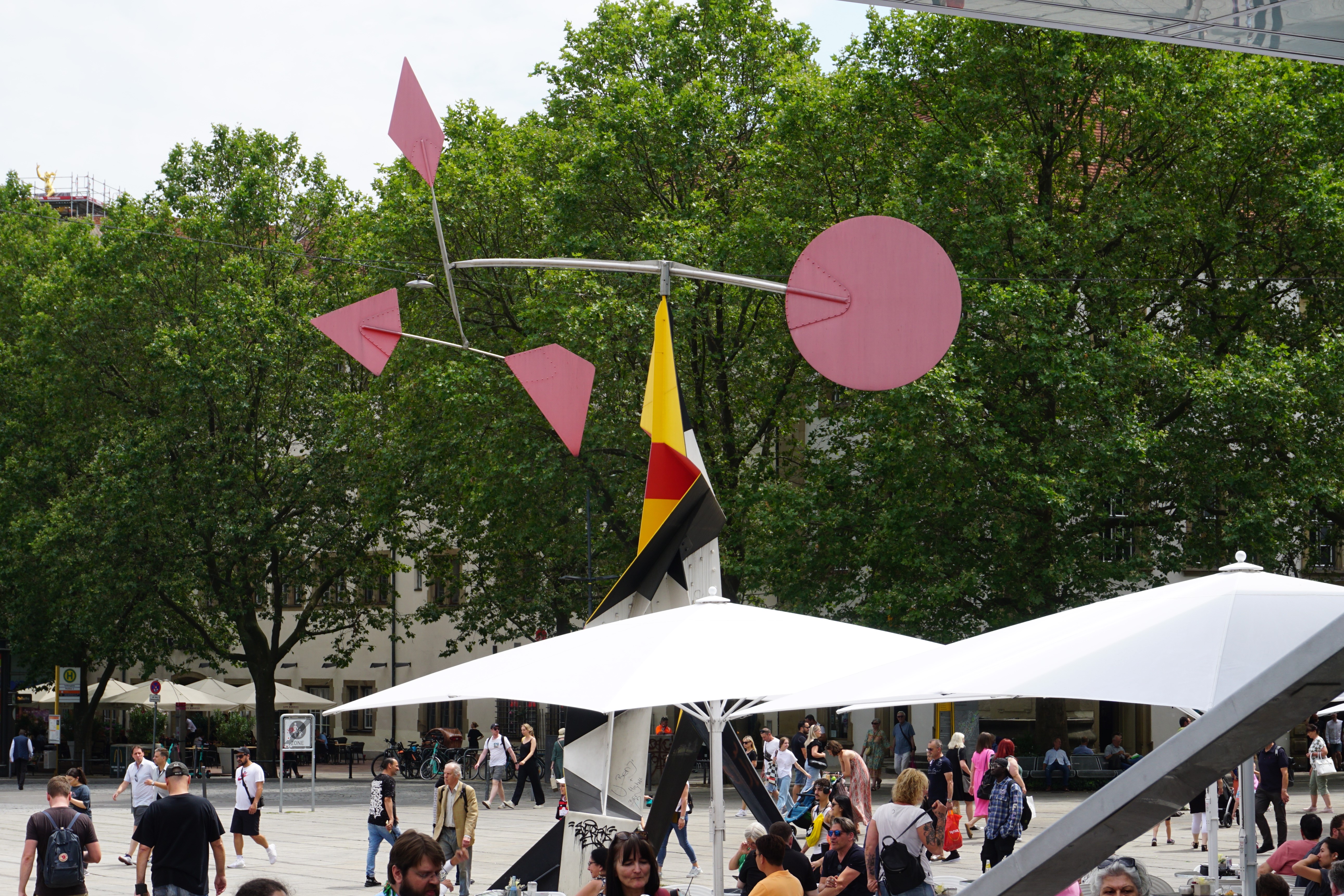
Calder Hunting

Photography / 2023-ongoing

Contact

I'd love to hear from you! Feel free to reach out for collaborations, questions, comments or just to connect.

Email:alazokudan@gmail.com